 English
 عربى

Pop-Up Foil Sheet Dispensing Systems: Preventing Cross-Contamination in Food Service
Content
- 1 The Hidden Risk of Cross-Contamination in Food Service
- 2 How Pop-Up Foil Sheet Dispensing Systems Work
- 3 Pop-Up Foil Sheets vs. Traditional Rolls: A Head-to-Head Comparison
- 4 Key Benefits for Commercial Kitchens and Food Service Operations
- 5 Choosing the Right Pop-Up Foil Sheet System
- 6 Frequently Asked Questions
- 6.0.1 Q1: How do pop-up foil sheets prevent cross-contamination compared with traditional rolls?
- 6.0.2 Q2: Are pop-up foil sheets suitable for covering both hot and cold food?
- 6.0.3 Q3: Do pop-up sheet systems reduce foil waste in commercial kitchens?
- 6.0.4 Q4: Can the dispenser boxes be stored in a refrigerated environment?
- 7 Conclusion
In commercial kitchens, catering lines, and quick-service restaurants, food safety depends on controlling every point of contact between food, hands, and surfaces. Aluminum foil is one of the most widely used wrap materials in food service, yet many operations still draw it from an open roll. Every tear, every touch of the roll, and every exposed edge is a possible contamination pathway. Pop-up foil sheet dispensing systems solve this with a simple idea: pre-cut sheets nested in a box, released one at a time, ready for a gloved hand to grasp without touching the remaining stack.
The Hidden Risk of Cross-Contamination in Food Service
Cross-contamination occurs when harmful microorganisms are transferred from one surface, utensil, or person to food. Common routes include bare hands, reusable towels, cutting boards, and, less obviously, the packaging and dispensing materials used every day. A traditional foil roll can become a carrier in several ways: staff touch the roll while unwrapping food, the roll rests on prep counters near raw ingredients, the exposed end collects dust and grease, and tearing a sheet repeatedly creates a fresh edge that contacts multiple hands.
- Multiple touch points: each portion requires gripping and tearing, which transfers residue to the remaining foil.
- Exposed storage: rolls left on counters or racks gather environmental contaminants throughout a shift.
- Shared surface contact: the same roll may be used near raw protein and ready-to-eat items without cleaning in between.
For operations following HACCP-based food safety programs, these touch points are measurable gaps in a hygiene plan. Replacing a shared roll with single-sheet dispensing removes a repeated, unmonitored hand-contact surface.
Preventing cross-contamination begins with the dispensing method: every extra surface that multiple hands touch before a sheet reaches the food is a potential contamination point.
How Pop-Up Foil Sheet Dispensing Systems Work
Pop-up foil sheets are pre-cut to a uniform size and folded in an interfolded pattern inside a rigid dispenser box. When one sheet is pulled, the fold of the next sheet rises into position, so the next user can take it without touching the remaining stack. The system is gravity-fed: as sheets are removed, the next sheet is presented, while the box keeps the unused sheets shielded.
- One-at-a-time extraction: the user grasps only the sheet in use; the rest remain untouched in the box.
- Constant shielding: the box protects the foil from dust, droplets, and counter contact.
- Fast single-hand operation: one hand can pull a sheet, easing busy service periods.
A practical example of this format is the pre-cut interfolded aluminum foil sheet, which is folded so that each extraction positions the next sheet for quick pickup. This configuration is already used where speed and hygiene are equally important.
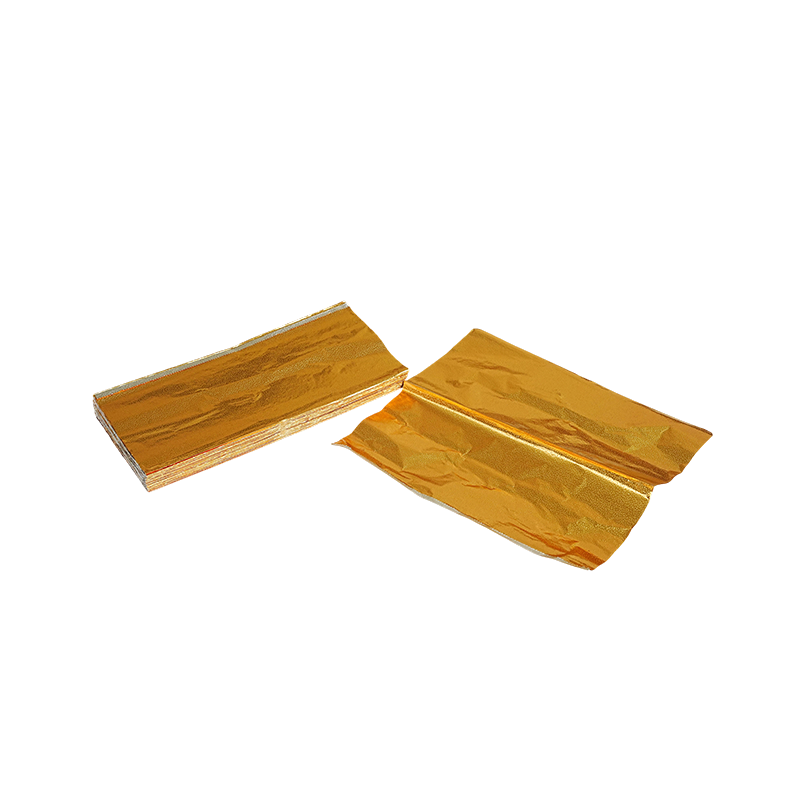 Pre-cut Interfolded Aluminum Foil Sheets for Quick PickupThese interfolded sheets are designed for fast, hygienic dispensing, making them a practical choice for high-volume food service where speed and cleanliness matter.View Product →
Pop-Up Foil Sheets vs. Traditional Rolls: A Head-to-Head Comparison
The table below compares the two dispensing formats across the criteria that matter most in food service.
| Criterion | Traditional Roll | Pop-Up Sheet Dispensing |
|---|---|---|
| Dispensing method | Tear from exposed roll | Pull one pre-cut sheet at a time |
| Hand contact points | High; multiple touches per use | Minimal; only the sheet in use |
| Portion consistency | Varies; users tear different lengths | Uniform sheet size every time |
| Waste level | Higher; oversized portions and misshapen tears | Lower; portion-controlled sheets |
| Storage protection | Open roll, exposed to environment | Sealed box between uses |
| Staff training needed | None | Minimal; same reach-and-pull motion |
| Gloved hand use | Moderate; foil can cling to gloves | High; sheets separate cleanly |
For many operations, the switch is most noticeable in two areas: reduced waste and fewer contamination touch points. These advantages usually offset any unit-price difference, since less material is wasted and less labor is spent re-tearing or rewrapping.
Key Benefits for Commercial Kitchens and Food Service Operations
Hygiene and Food Safety Compliance
Because each sheet is dispensed without contacting the rest of the stack, staff are less likely to transfer allergens, bacteria, or grease from hands to the foil supply. For operations subject to health inspections, a documented single-sheet dispensing practice supports a stronger hygiene program.
Portion Control and Waste Reduction
Pre-cut sheets impose a natural portion standard. Kitchens use one sheet per wrap, tray cover, or ingredient portion, and that consistency reduces foil consumption and makes inventory usage more predictable.
Speed and Staff Efficiency
During a rush, a pop-up dispenser saves seconds per wrap because there is no tearing, no searching for the end of the roll, and no struggling with a collapsed roll. A single gloved hand can extract a sheet, center the food, and fold; new staff can be trained in seconds.
Storage Flexibility and Inventory Control
Interfolded sheet boxes are compact and stackable, so they fit into dry storage more efficiently than bulky rolls. The box is also the dispenser, which removes the need for additional wall-mounted racks.
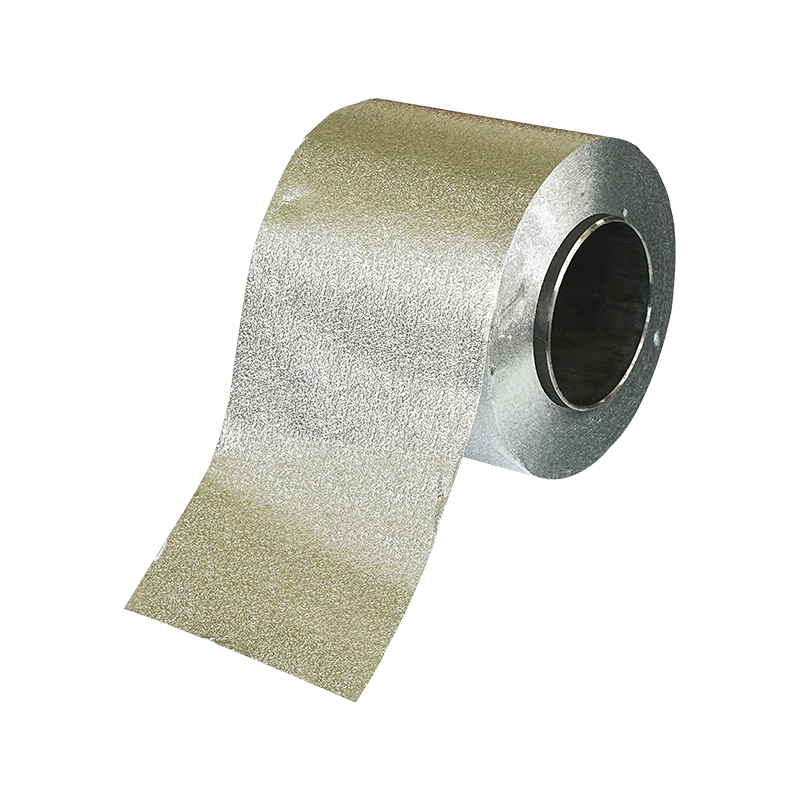
For operations that use foil for both storage and direct food contact, material certification matters. Food-grade aluminum foil is suitable for wrapping, covering, and cooking. Our multipurpose food-grade kitchen foil is designed for these daily tasks, with consistent gauge and food-contact safety that food service buyers expect.
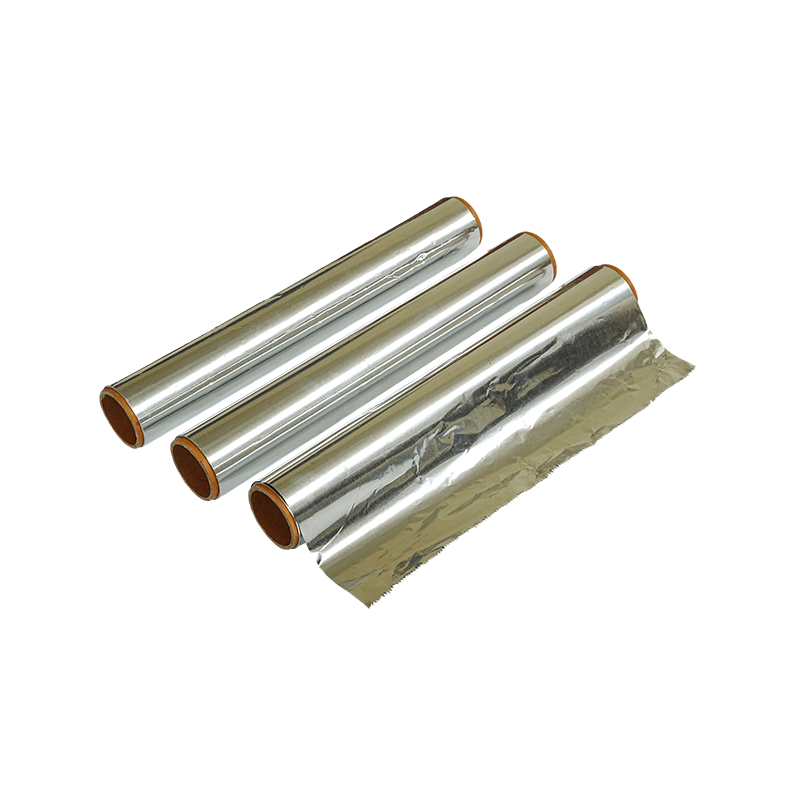 Multi-purpose Food Grade Kitchen Foil for Daily Food ServiceThis food-grade foil offers reliable wrapping and cooking performance, with consistent gauge and safety for direct food contact, suitable for kitchens needing versatile storage and preparation.View Product →
Choosing the Right Pop-Up Foil Sheet System
Not all pop-up foil sheet systems perform equally well in a busy kitchen. Buyers should evaluate four factors before adopting a system:
- Food-contact grade: confirm the foil is made from a food-safe alloy and packaged so contamination cannot occur between production and use.
- Sheet size and thickness: standard sizes must match common wrap jobs, while gauge affects rigidity, heat resistance, and cost.
- Dispensing reliability: the interfold pattern must release one sheet at a time without tearing or jamming, even when the operator is wearing gloves.
- Supplier consistency: a qualified manufacturer should provide uniform cutting, stable packaging, and reliable batch-to-batch quality.
Working with a manufacturer that has long experience in aluminum foil production reduces sourcing risk. Haining Xianju Industry and Trade Co., Ltd., for example, has produced and exported aluminum foil products since 2006 from a 5,300-square-meter facility with monthly output exceeding 30 containers. Buyers can review the company's production experience to assess whether it can meet food-service order volumes and customization needs.
Frequently Asked Questions
Q1: How do pop-up foil sheets prevent cross-contamination compared with traditional rolls?
Pop-up sheets are pre-cut and interfolded, so each user pulls only the sheet they need while the rest remain shielded inside the box. This eliminates the repeated hand contact that occurs with a shared foil roll and reduces the risk of transferring pathogens from hands, gloves, or counter surfaces to the foil supply.
Q2: Are pop-up foil sheets suitable for covering both hot and cold food?
Yes, provided that the sheet thickness and foil grade match the application. Food-grade aluminum foil can cover hot trays, wrap sandwiches, and line cold-holding containers. Confirm the operating temperature range with your supplier for direct food contact.
Q3: Do pop-up sheet systems reduce foil waste in commercial kitchens?
In most operations, yes. Because every sheet is the same size, staff no longer tear oversized portions from a roll. Portion control has a direct effect on consumption, and consistent sheet sizing also simplifies inventory planning.
Q4: Can the dispenser boxes be stored in a refrigerated environment?
The outer carton and inner dispenser box are designed for dry storage. In cold kitchen environments, condensation can form on packaging, so store the boxes away from direct spray and extreme temperature swings to preserve foil performance.
Conclusion
Cross-contamination is a cumulative risk managed through training, layout, and the right equipment. Pop-up foil sheet dispensing systems are a low-cost, high-return improvement: they remove an overlooked touch point, enforce portion control, and make the wrapping station faster for every crew member.
For food service distributors, restaurant chains, and catering suppliers, adopting a pop-up foil sheet system can be as simple as changing the foil SKU. If you are evaluating options for your operation or a private-label program, talk to our team about sheet sizing, packaging, and supply arrangements.


READY TO CUSTOMIZE YOUR FOIL? CONTACT US TODAY!
+86-13484112116
+86-13967339826
No. 22, Zhijiang Road, Zhouwangmiao Town, Haining City, Jiaxing City, Zhejiang Province, China
Contact Us
