What "Food Grade" Really Means for Aluminum Foil
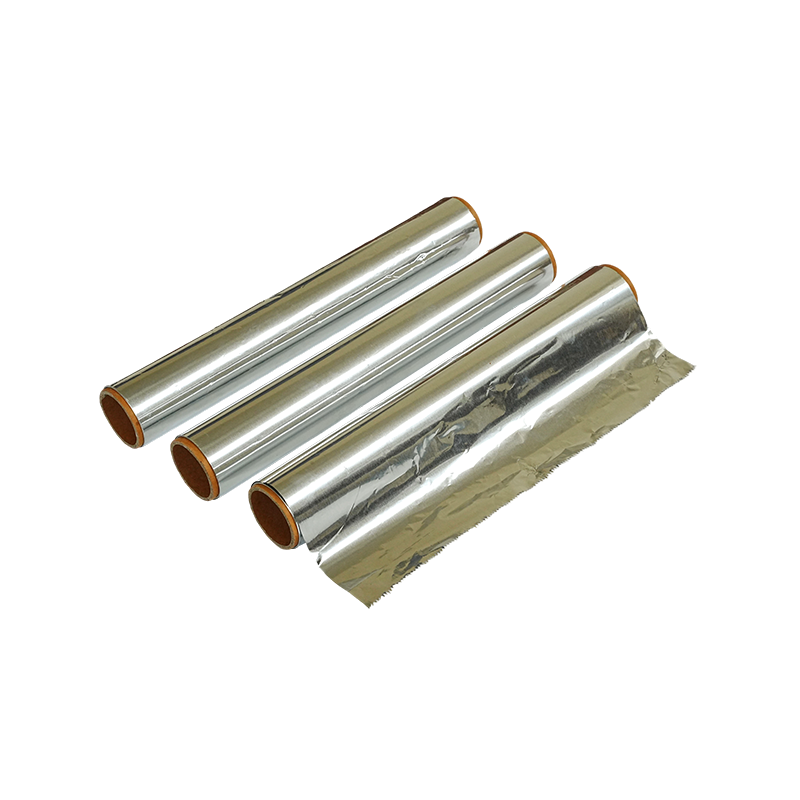
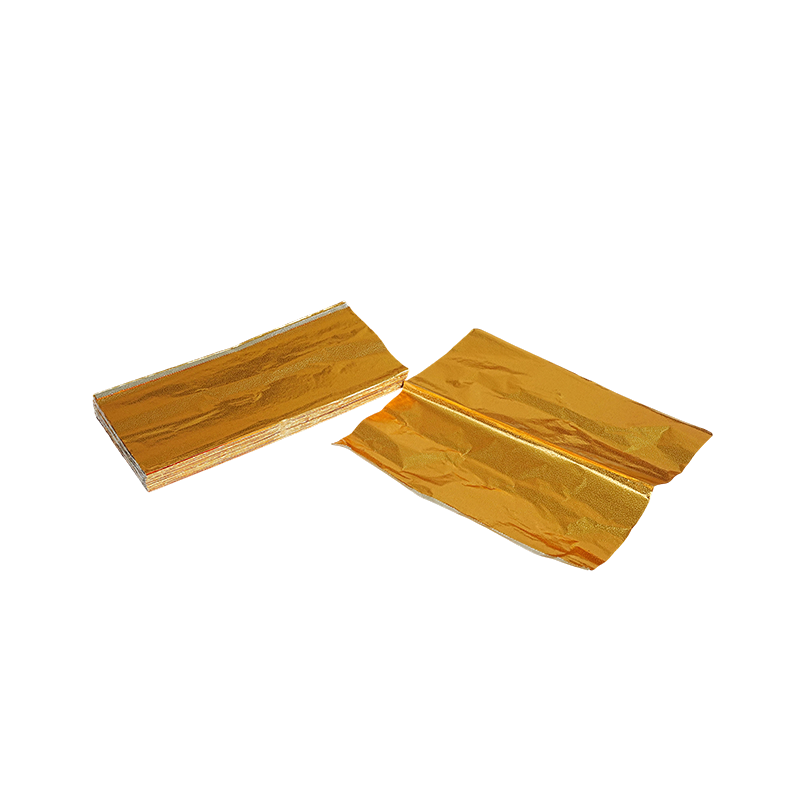
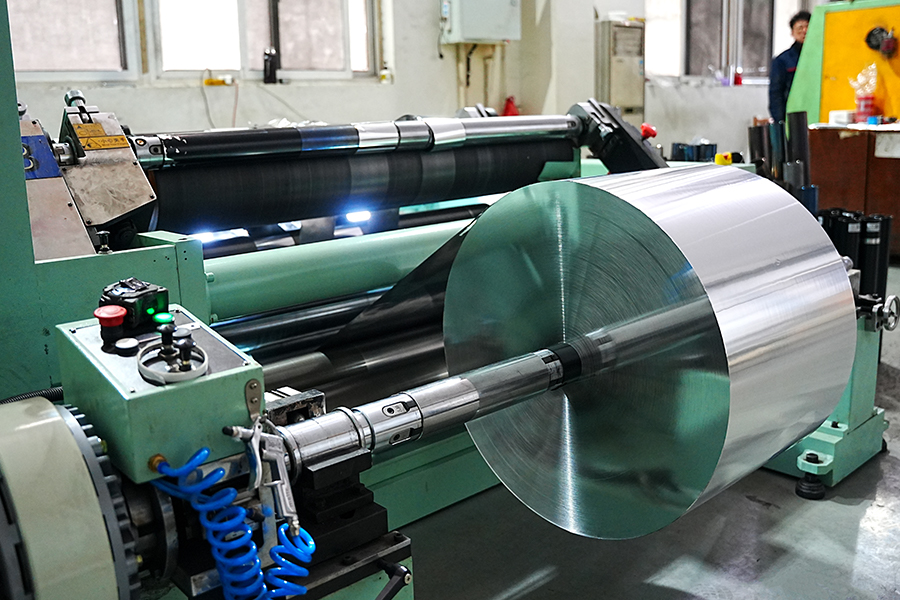
Not every roll of aluminum foil on the market is suitable for direct contact with food. Food Grade Aluminum Foil is produced from high-purity aluminum alloy, typically 8011 or 1235 series, with strict controls on iron and silicon content to prevent any metallic taste transfer or chemical reaction with acidic or salty foods. The surface must also be free of oil residue, dust, and oxidation spots, since these can compromise both hygiene and the foil's barrier performance. Manufacturers producing for household use generally follow international food safety standards such as FDA and LFGB compliance, which govern permissible migration limits when foil comes into direct contact with food at high temperatures.
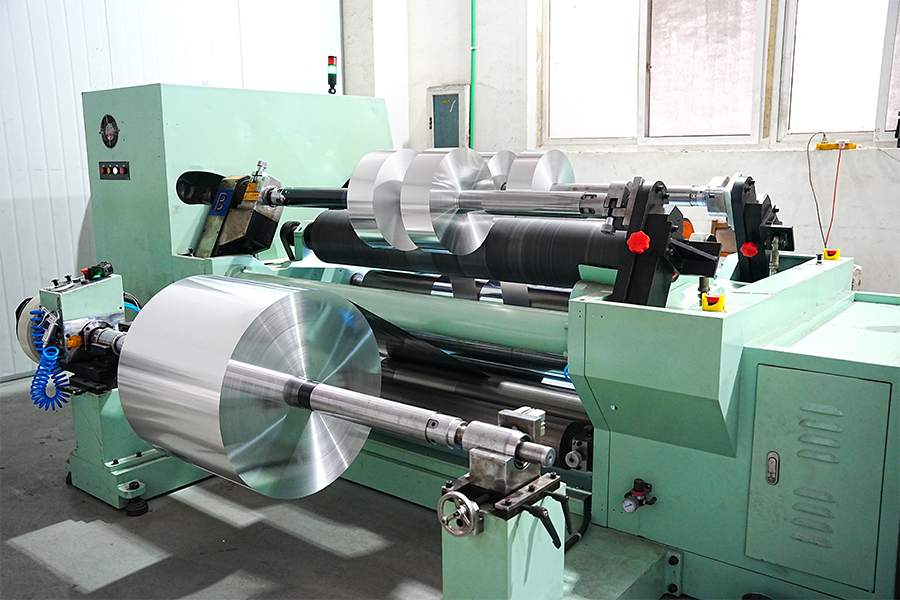
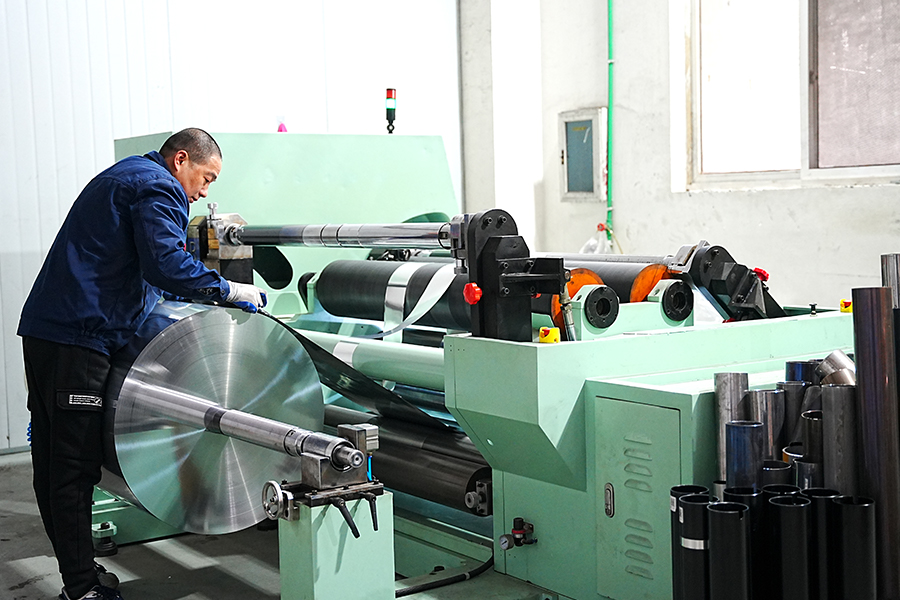
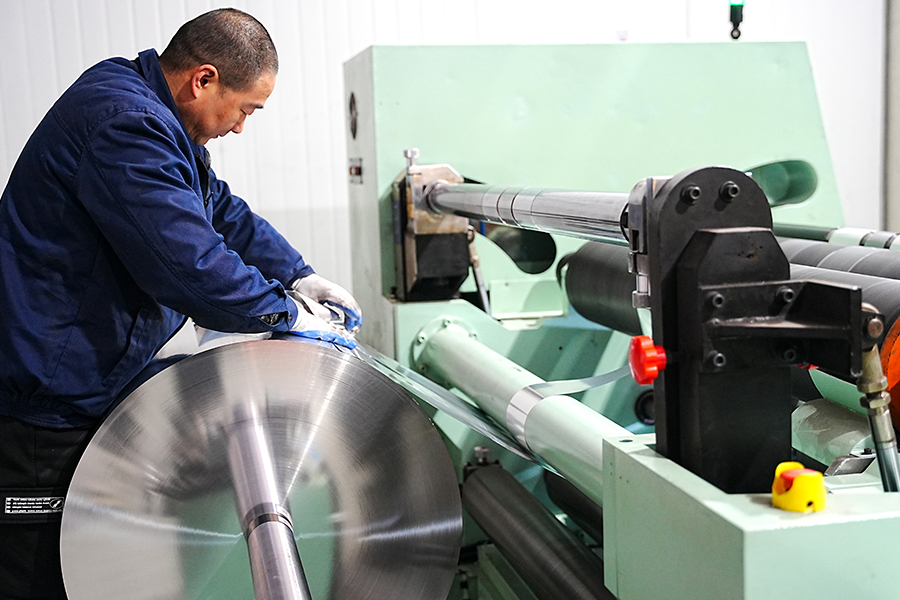
One detail often overlooked by buyers is the difference between the two sides of the foil — the shiny side and the matte side. This is a natural result of the rolling process, where two sheets are rolled together, and it does not affect food safety or cooking performance on either side. What does matter is thickness consistency: household food foil generally ranges from 0.010mm to 0.025mm, thin enough for easy folding and shaping, yet strong enough to resist tearing during wrapping or when placed under the weight of food in a pan.
Why Versatility Matters in Everyday Kitchen Use
A Multi-Purpose Aluminum Foil earns its name by performing reliably across very different kitchen conditions — from freezer storage at sub-zero temperatures to oven roasting above 200°C. This wide operating range comes from aluminum's natural thermal stability, which allows the foil to conduct heat evenly during baking or grilling while also acting as an effective barrier against moisture, light, and odor transfer during cold storage. For households that batch-cook or meal-prep, this dual capability reduces the need to switch between multiple packaging materials for different storage conditions.
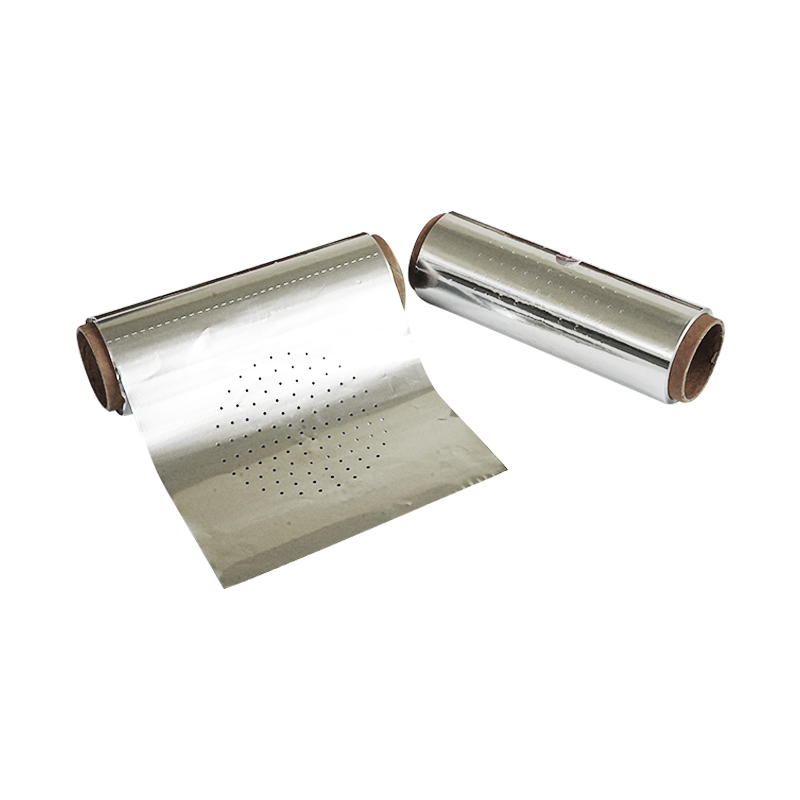
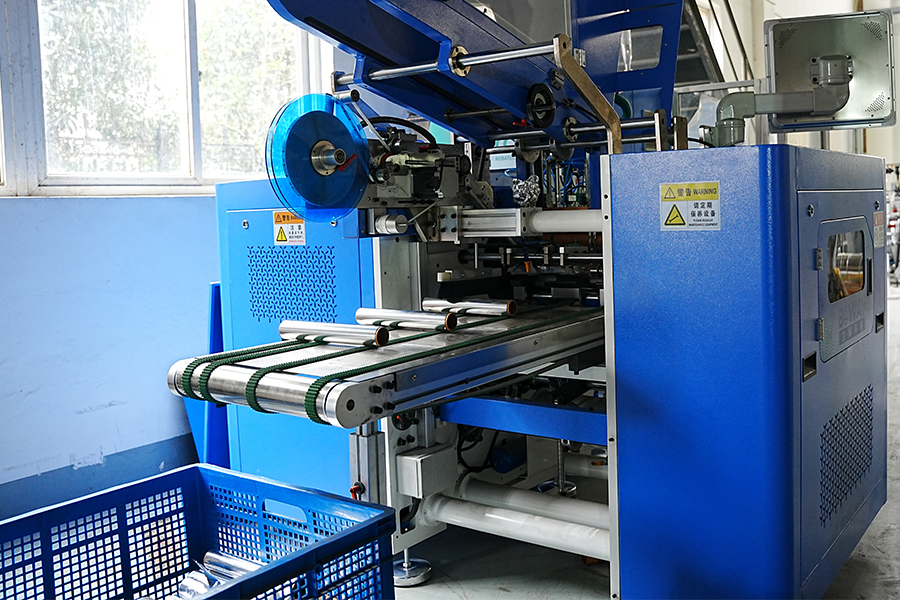
Beyond wrapping raw or cooked food, foil is frequently used to line trays and baking sheets, which shortens clean-up time considerably by catching drips and grease before they reach the pan surface. It can also be shaped into makeshift trays or dividers for grilling irregular items like whole fish or vegetables that would otherwise fall through grill grates. In our own production, Haining Xianju pays particular attention to fold retention — the foil's ability to hold a crease or shape once formed — since this quality directly affects how well it performs in these improvised, shape-dependent uses.
The Growing Role of Recycled Aluminum Foil
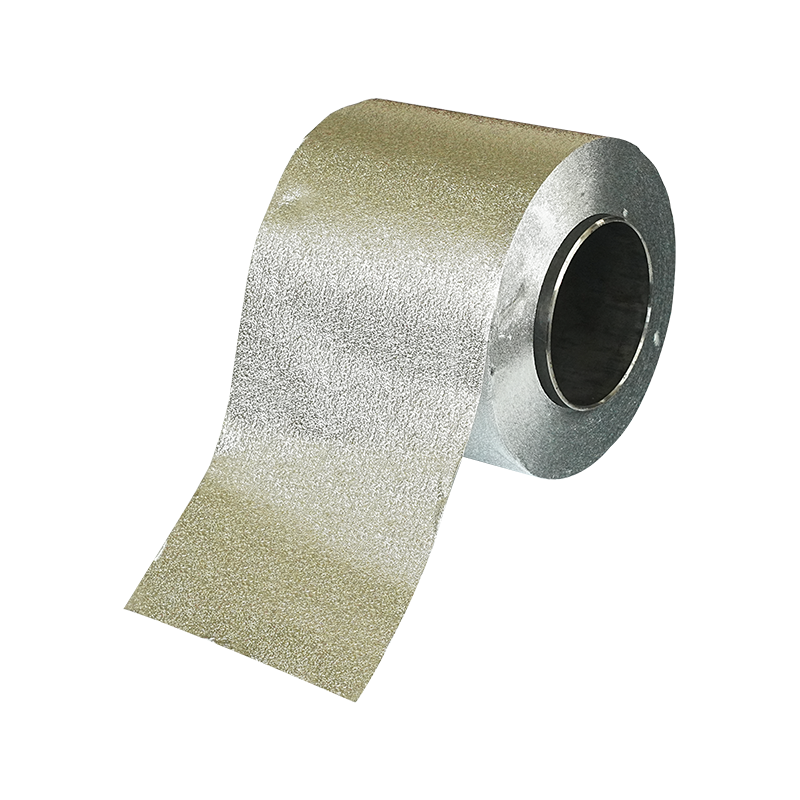
Aluminum is one of the few packaging materials that can be recycled indefinitely without losing its structural or barrier properties, which is why Recycled Aluminium Foil has gained traction among environmentally conscious households and retailers alike. Producing foil from recycled aluminum requires significantly less energy than primary smelting from bauxite ore, since it skips the electrolysis stage entirely — recycled aluminum can be remelted using roughly 5% of the energy needed to produce new aluminum. For manufacturers, this also reduces reliance on raw material price fluctuations tied to bauxite mining and energy markets.
| Production Type |
Relative Energy Use |
Material Quality |
| Primary Aluminum |
100% (baseline) |
Consistent, high purity |
| Recycled Aluminum |
~5% of baseline |
Equivalent when properly refined |
Energy comparison between primary and recycled aluminum foil production.
The key to quality recycled foil lies in the refining process. Post-consumer or post-industrial scrap must be sorted and purified to remove coatings, inks, and contaminants before it can meet food-contact safety thresholds, which is a more demanding process than recycling aluminum for non-food packaging or construction uses.
Choosing and Storing Foil for Longer Performance
- Store rolls flat or upright in a dry place, away from direct sunlight, to prevent the box edge from denting the roll core.
- Avoid prolonged contact with highly acidic foods (tomato sauce, citrus, vinegar-based marinades) for more than a few hours, as extended exposure can cause slight pitting on the foil surface.
- For high-heat grilling, place the shiny side facing the food to reflect heat more effectively back onto the item being cooked.
- Jumbo rolls are more economical for households that cook in volume, while standard rolls suit occasional or portion-based use.
Selecting the right roll size and thickness ultimately comes down to matching the foil to its intended task rather than defaulting to a single all-purpose option. Households that grill frequently benefit from a slightly thicker gauge for tear resistance, while those primarily using foil for short-term food covering can rely on thinner, more economical rolls. Xianju's production line accommodates both specifications from the same base material, allowing distributors to offer a tiered product range without sourcing from multiple suppliers.

 English
 عربى
عربى