 English
 عربى

Custom Salon Hair Foil Widths & Thicknesses: Balancing Softness & Puncture Resistance
Content
- 1 Why Custom Widths and Thicknesses Matter in Salon Hair Foils
- 2 Width Options: Matching Foil to Your Application
- 3 Thickness: A Delicate Balance Between Softness and Puncture Resistance
- 4 How to Choose Custom Foil Specifications for Your Brand
- 5 Working with a Manufacturer for Custom Specifications
- 6 Frequently Asked Questions
Salon hair foil is one of the most used consumables in professional salons, yet its specifications are often selected out of habit rather than analysis. When you order custom salon hair foil, the width and thickness of the aluminium become the two decisions that matter most. Width determines how easily the stylist can section and wrap, while thickness determines the foil's softness and its ability to resist punctures. This article explains how to balance these factors when developing a custom salon foil line, and why getting the balance right directly affects efficiency, comfort, and the final colour result.
Why Custom Widths and Thicknesses Matter in Salon Hair Foils
Customisation is not simply about offering a longer roll or a wider sheet. It is about adapting the foil to the actual workflow of hairdressers. Highlighting techniques, balayage placements, touch-ups, and full colour services each produce different section sizes and wrapping styles. A foil that is too wide creates excess folds, adds bulk, and increases waste. A foil that is too narrow forces stylists to stop and cut their own pieces, breaking their rhythm during a time-sensitive service.
Thickness affects the way the foil feels in the hand. Thin foils are soft, drape easily, and press comfortably against the scalp. Thicker foils are sturdier and hold their shape when folded into tight pleats. Softness and puncture resistance are opposite tendencies that must be tuned together. A custom width and thickness configuration lets you design a foil that matches both the technique and the physical demands of the styling process.
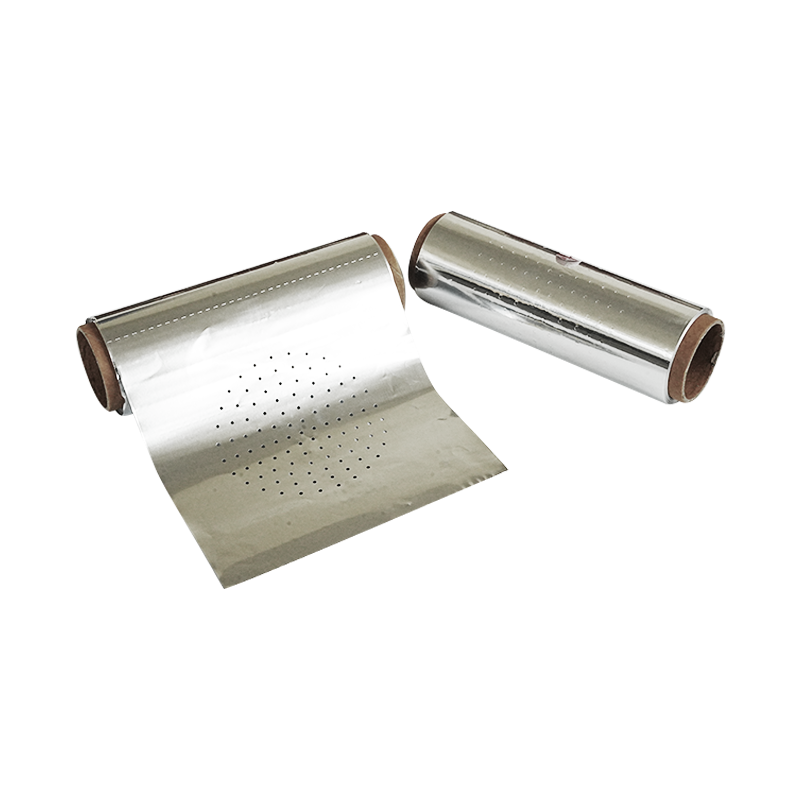
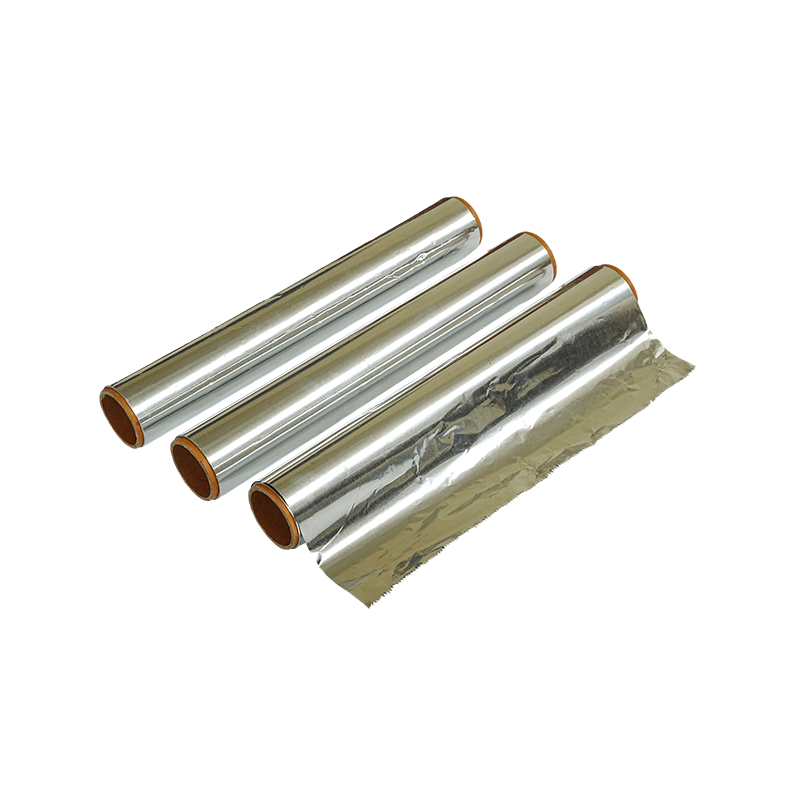
 Customizable Hairdressing Aluminum Foil Rolls for SalonsThese foil rolls allow salons to choose width and thickness, balancing softness and puncture resistance for comfortable, precise color application and efficient sectioning during highlighting services.View Product →
Width Options: Matching Foil to Your Application
The width of salon hair foil is measured across the roll or sheet and should match the section size commonly used in each service. The table below shows typical custom widths and their applications.
| Foil Width | Best For | Why It Works |
|---|---|---|
| 8-10 cm | Precision highlights and short hair | Allows exact sectioning without waste. |
| 12-15 cm | Standard highlights and lowlights | The most versatile width for everyday salon work. |
| 18-20 cm | Balayage and wide sections | Covers larger areas with fewer folds. |
| 25-30 cm | Foilyage and very long hair | Reduces cutting for extra-large sections. |
You can customise width to eliminate the cutting step entirely. For salons that want to work directly from the box, pre-cut interfolded sheets are a practical option because they can be dispensed one at a time with the exact custom width and length you choose. Rolls remain the most economical format for high-volume salons, while pre-cut sheets can save seconds on every placement.
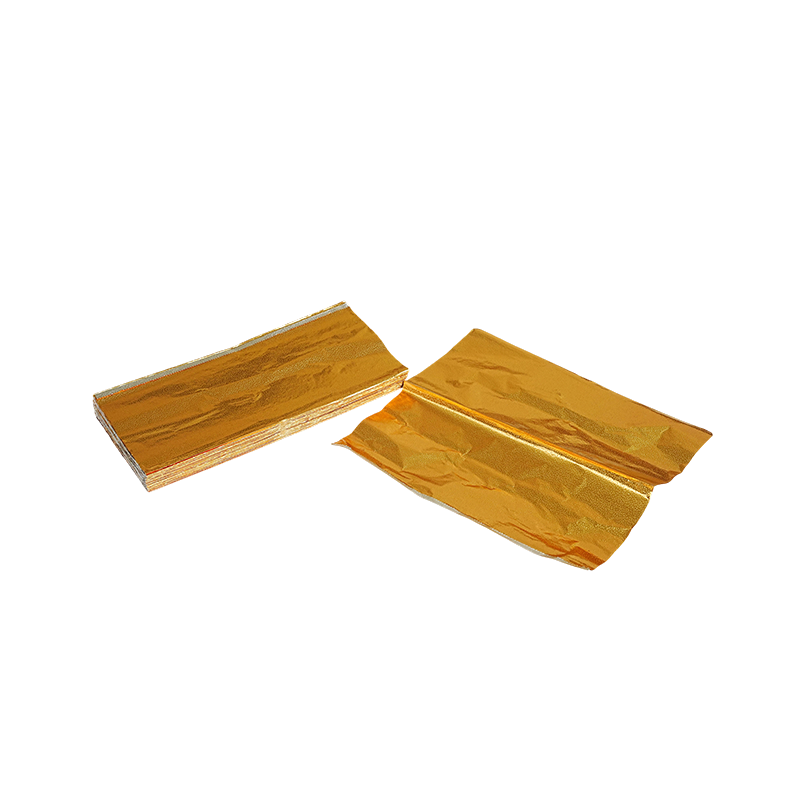 Pre-cut Interfolded Aluminum Foil Sheets for Fast DispensingThese interfolded sheets come pre-cut in custom sizes, saving time during placement. They are lightweight, flexible, and tear-resistant, ideal for wrapping hair sections or other versatile uses.View Product →
Thickness: A Delicate Balance Between Softness and Puncture Resistance
Salon foil thickness is usually expressed in microns. In practice, the range from 10 to 18 microns covers nearly all hair foil products. Thin foil feels silky and flexible, but it can tear easily when the package is folded and clipped. Thick foil gives strong puncture resistance, but it feels stiff, is harder to mould around curved sections, and can leave visible crease marks.
The sweet spot for most colour services is 12 to 14 microns. A 12 micron foil maintains a soft hand feel while still resisting normal tear stress, making it a strong default for highlighting. A 14 micron foil adds puncture resistance for heavy cream lighteners and longer processing times, while sacrificing only a small amount of flexibility.
| Thickness | Softness | Puncture Resistance | Recommended Use |
|---|---|---|---|
| 10 micron | Very high | Low | Quick toners and fine hair |
| 12 micron | High | Medium | Standard highlighting |
| 14 micron | Medium | Medium-high | Heavy bleaches and longer services |
| 18 micron and above | Low | High | Anchor wraps and frequent re-folding |
The correct thickness also depends on the chemical products used in your salon. A dense, high-lift bleach creates more pressure on the foil than a liquid toner, so a slightly thicker foil reduces the chance of the foil splitting mid-service. A premium soft feel, by contrast, is easier to achieve with a thinner foil. This is why custom salon foil production must start with a clear definition of your service line, not just a generic gauge.
Key takeaway: The best salon foil thickness is not a single number. It depends on your target services and chemical products, so validate both softness and puncture resistance in real salon conditions before scaling.
How to Choose Custom Foil Specifications for Your Brand
If you are developing a private label or wholesale salon foil line, follow this checklist to define your specifications.
- List the dominant services in your target salon: precision highlights, classic foils, balayage, or toner applications.
- Measure the average section size your stylists create, then choose a width that covers that section with one clean wrap.
- Consider the products used with the foil. Heavy lighteners and long processing times point to a slightly thicker gauge.
- Decide on the format: continuous rolls for economical use or pre-cut sheets for faster one-handed dispensing.
- Order samples and test them side by side for softness, puncture resistance, and ease of folding.
A careful sample test will reveal how the foil behaves around a head of wet hair, under clips, and during a full service. The goal is a foil that feels premium in the hand but does not let you down when the colour working time demands a secure, tear-resistant wrap.
Working with a Manufacturer for Custom Specifications
Cutting a roll to a custom width and holding a consistent thickness across large batches are different challenges. The right manufacturer will control the slitting process, monitor foil gauge, and inspect both softness and puncture resistance during every production run. Because these properties are linked, even a small change in thickness needs to be validated with an actual sample.
Our factory page provides a closer look at the production environment where custom salon foil orders are manufactured and quality checked. You can share your target width and thickness during the enquiry stage, and we will help you translate those numbers into a practical product specification.
Frequently Asked Questions
Here are common questions from salon brand owners and beauty distributors about custom salon foil specifications.
Q1: What is the best thickness for salon hair foil?
For most colour services, 12 to 14 microns offers the best balance of softness and puncture resistance. Choose 12 microns when flexibility is the priority and 14 microns when you need extra resistance to tearing.
Q2: Can I get custom widths for hair foil rolls?
Yes. Reliable manufacturers can slit rolls to the width you request, usually based on the section size your salons work with. Always confirm the minimum order quantity and tolerance with the manufacturer.
Q3: Does thinner foil always mean softer?
In general, yes. Thinner aluminium is more flexible and drapes more easily. However, the finish of the foil, such as an embossed pattern or a smooth surface, also influences the perceived softness in the hand.
Q4: Why is puncture resistance important in salon foil?
Puncture resistance prevents the foil from splitting when it is folded tightly around a section of hair, pressed with clips, or touched by sharp foil combs. A punctured foil can allow bleach to leak onto unintended areas, causing patchy colour results.
Q5: How much custom foil should I order for a new salon line?
Start with a sample order of a few rolls to test width and thickness in real salon conditions. Once you confirm the specification, manufacturers can scale to your usual wholesale volume.
Custom widths and thicknesses are not just technical details for the factory; they are the defining factors of your salon foil's daily performance. Balancing softness and puncture resistance starts with knowing your target technique, checking real samples, and working closely with a manufacturer who understands both production and salon use. If you are ready to develop a custom salon foil line, review your sample needs and contact us to discuss your specification.

READY TO CUSTOMIZE YOUR FOIL? CONTACT US TODAY!
+86-13484112116
+86-13967339826
No. 22, Zhijiang Road, Zhouwangmiao Town, Haining City, Jiaxing City, Zhejiang Province, China
Contact Us
