Industry News
Hookah has become a popular social and cultural activity in many parts of the world, with users paying increasing attention to smoke quality, flavor consistency, and overall preparation techniques. While many people focus on the design of the hookah pipe, bowl, or charcoal, one small but essential component often determines the final experience: Hookah Foil.
As the barrier between the charcoal and the flavored tobacco or shisha mixture, Hookah Foil plays a critical role in managing heat transfer, controlling airflow, and protecting the bowl from direct contact with burning charcoal. A properly selected and correctly installed foil layer can help create smoother smoke, better flavor balance, and a more stable session.
Many beginners assume that any type of foil can achieve the same result, but factors such as material quality, thickness, hole arrangement, and installation method can significantly influence performance. Understanding how Hookah Foil works allows users to improve their preparation process and achieve a more enjoyable hookah experience.
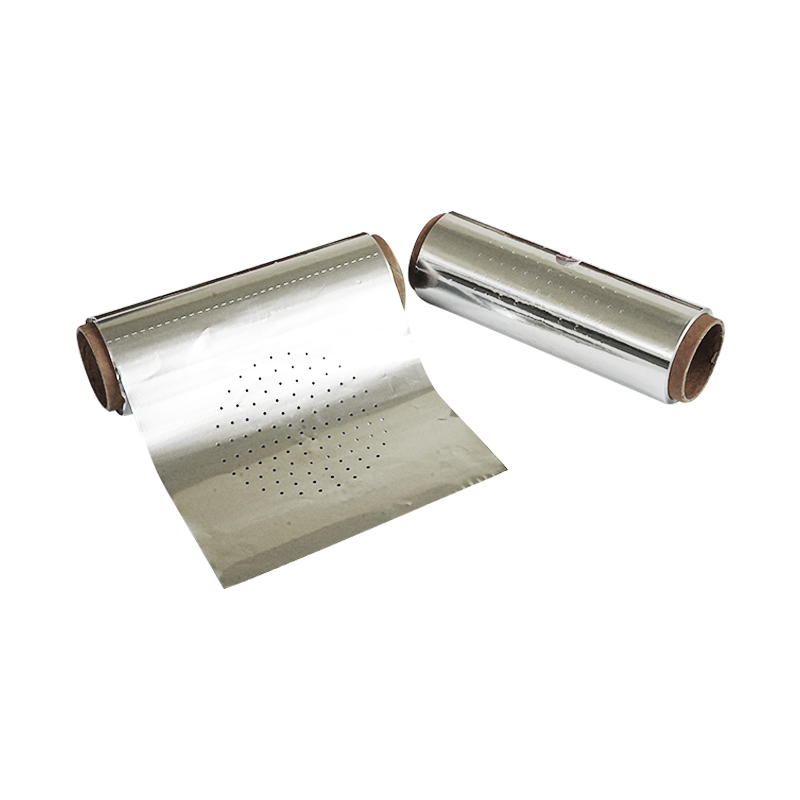
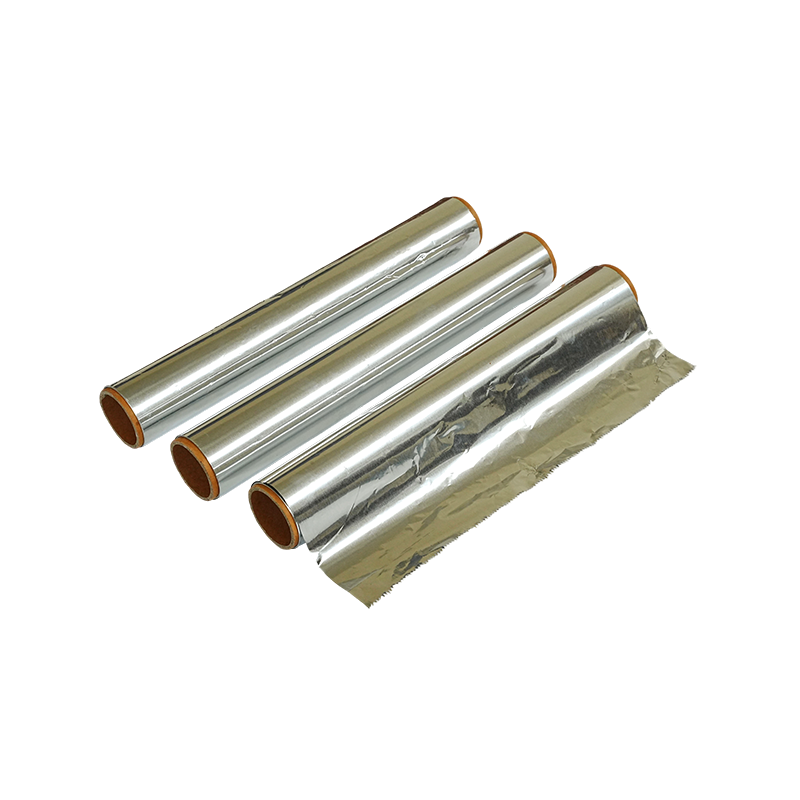
Hookah Foil is a specially prepared aluminum foil layer placed over the hookah bowl before charcoal is added. Its primary purpose is to separate the heat source from the shisha mixture while allowing controlled heat transfer through the surface.
During a hookah session, charcoal generates high temperatures that gradually pass through the foil and heat the flavored tobacco underneath. The foil must maintain the right balance: it needs to transfer enough heat to produce vapor and smoke while preventing excessive burning that can damage flavor quality.
The importance of Hookah Foil comes from its ability to regulate three key factors:
| Function of Hookah Foil | Impact on Hookah Performance |
| Heat distribution | Helps maintain stable temperatures throughout the session |
| Airflow control | Allows smoke production to remain smooth and consistent |
| Protection layer | Prevents charcoal ash from directly mixing with the shisha |
Without proper foil management, users may experience harsh smoke, weak flavor, or uneven heating. Therefore, choosing and using the right Hookah Foil is an important step in achieving a balanced smoking experience.
One of the most important factors affecting hookah performance is hookah foil thickness. The thickness of the foil determines how quickly heat moves from the charcoal to the bowl and how effectively the temperature remains stable.
Thin foil generally transfers heat faster because there is less material between the charcoal and the shisha mixture. This can create stronger initial heat but may also increase the risk of overheating if the charcoal placement is not carefully managed.
Thicker Hookah Foil provides a stronger heat barrier. It slows down heat transfer and helps distribute temperature more evenly across the bowl surface. This makes it easier to maintain a longer session with fewer temperature fluctuations.
The ideal thickness depends on several conditions, including bowl design, charcoal size, preparation method, and personal preference.
| Hookah Foil Thickness Type | Characteristics | Suitable Situation |
| Thin foil | Fast heat response, requires careful control | Short sessions or experienced users |
| Medium thickness foil | Balanced heat transfer and stability | General daily use |
| Thick foil | Better heat insulation and durability | Longer sessions requiring stable temperature |
Understanding hookah foil thickness helps users avoid common problems such as burnt flavor caused by excessive heat or weak smoke caused by insufficient heating.
Many hookah performance issues are caused not by the equipment itself but by incorrect preparation. Learning how to use hookah foil properly can greatly improve heat control and smoke quality.
The first step is preparing the hookah bowl correctly. The shisha mixture should be placed evenly without being compressed too tightly. Proper airflow inside the bowl allows heat to move through the material more effectively.
After preparing the bowl, the Hookah Foil should be stretched tightly across the top. A loose foil surface may create uneven heating because some areas receive more heat than others. A flat and secure foil layer helps maintain consistent temperature distribution.
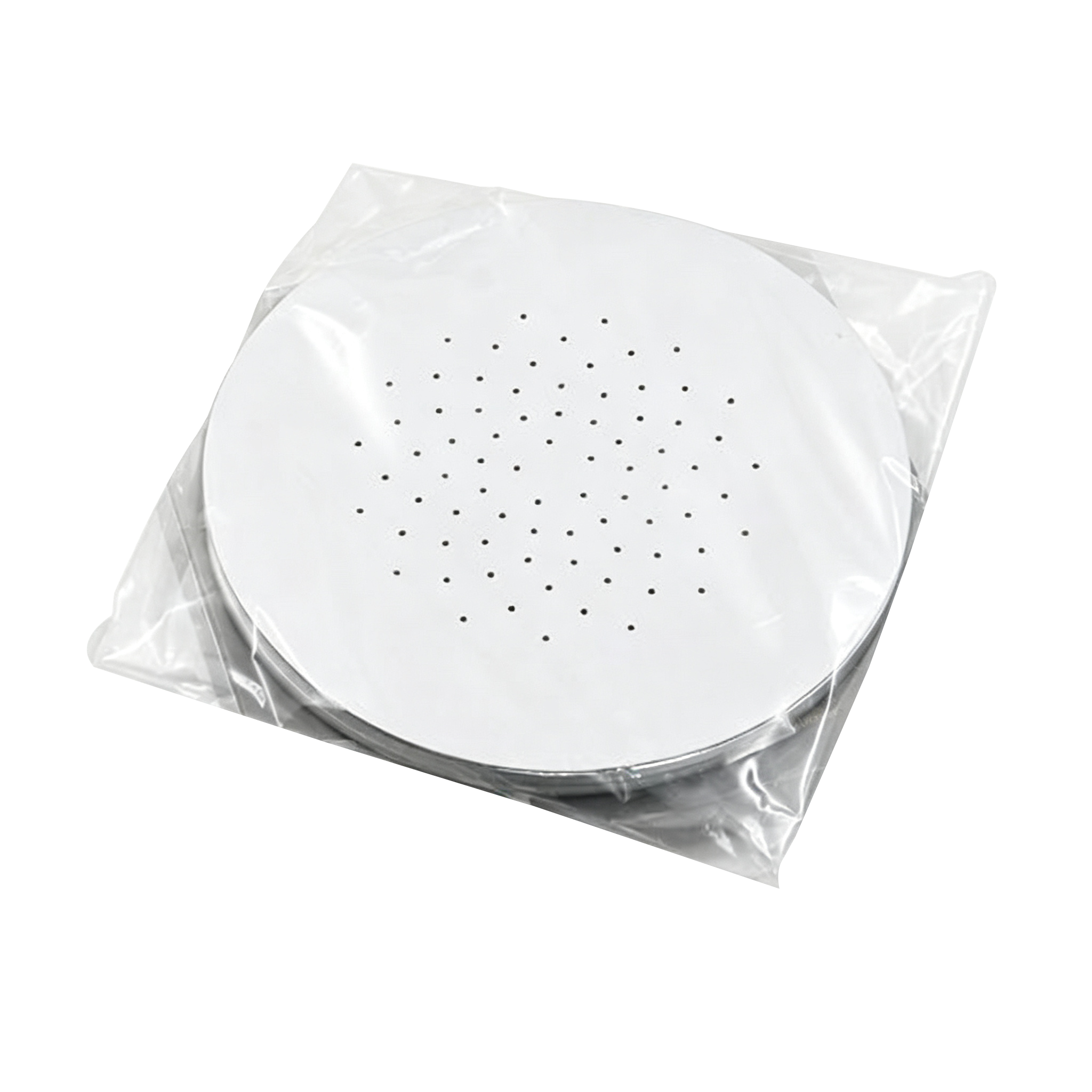
The next step is creating airflow holes. The number, size, and placement of holes directly influence how much air enters the bowl and how heat spreads through the shisha mixture.
Finally, charcoal placement should be adjusted during the session. Heat requirements may change over time, and proper management helps prevent overheating.
| Preparation Stage | Main Purpose |
| Filling the bowl evenly | Supports balanced heat absorption |
| Securing the foil tightly | Prevents heat loss and uneven heating |
| Creating suitable holes | Controls airflow and temperature |
| Adjusting charcoal position | Maintains consistent performance |
By understanding how to use Hookah Foil, users can create a more reliable and enjoyable smoking environment.
A proper hookah foil setup depends on the user's preferred experience, session length, and heat management requirements. There is no single method that works perfectly for every situation, but understanding different setups can help users choose the most suitable approach.
A traditional Hookah Foil setup usually involves covering the bowl with a single layer of foil and creating evenly distributed holes. This method is simple, flexible, and commonly used because it allows users to manually adjust heat according to their needs.
For longer sessions, some users prefer a setup that provides stronger temperature stability. A thicker foil layer or a carefully designed hole pattern can help reduce sudden heat changes and maintain consistent smoke production.
A more controlled Hookah Foil setup focuses on balancing three elements:
When these factors work together, the hookah can produce smoother smoke and more consistent flavor throughout the session.
The arrangement of holes on the foil surface is another important factor that influences performance. The hookah foil holes pattern determines airflow, heat concentration, and how evenly the bowl is heated.
A common mistake is creating random holes without considering heat distribution. Too many holes may allow excessive airflow and reduce temperature control, while too few holes may restrict airflow and produce weaker smoke.
| Hookah Foil Holes Pattern | Heat Characteristics |
| Center-focused pattern | Concentrates heat in the middle area |
| Even distribution pattern | Creates balanced heating across the bowl |
| Edge-focused pattern | Helps reduce direct overheating in central areas |
The best hookah foil holes pattern depends on the bowl type, charcoal arrangement, and desired smoking style. Experimenting with different patterns allows users to discover the most suitable setup.
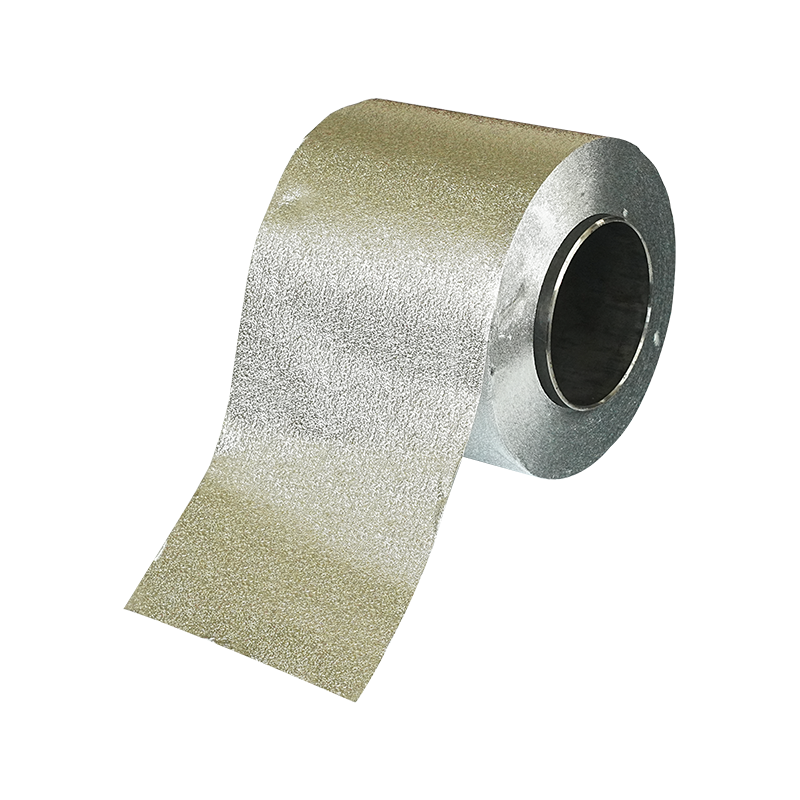
Although aluminum is the most common material used for Hookah Foil, different types can vary in thickness, flexibility, and heat resistance.
Standard aluminum foil is widely used because it is easy to shape and provides effective heat transfer. However, foil designed specifically for hookah preparation is usually made with considerations for durability and temperature control.
The material quality affects several aspects:
Selecting appropriate Hookah Foil material helps create a safer and more predictable preparation process.
Even experienced users can encounter problems when foil preparation is not handled correctly. Many issues come from small mistakes that affect heat balance and airflow.
One common mistake is choosing unsuitable hookah foil thickness. If the foil is too thin for a high-heat setup, the shisha mixture may burn quickly. If it is too thick, heat transfer may become insufficient.
Another issue is improper hole placement. The hookah foil holes pattern should support airflow rather than create uncontrolled heating zones.
A loose foil installation can also reduce performance because heat escapes unevenly. The foil should remain secure and properly stretched over the bowl.
Avoiding these mistakes allows users to achieve more stable results and extend the quality of each session.
Although Hookah Foil is a small component, its influence on the overall hookah experience is significant. The right foil thickness, correct installation method, and suitable hole pattern work together to control heat and airflow.
A well-prepared Hookah Foil setup can provide:
Understanding the relationship between foil selection and hookah performance helps users move beyond basic preparation and develop better control over their experience.
Hookah Foil is used as a protective and heat-control layer between charcoal and the shisha mixture. It regulates heat transfer while preventing direct contact between charcoal and the bowl contents.
The ideal hookah foil thickness depends on the bowl design, charcoal type, and preferred smoking style. Medium thickness is often suitable for general use because it provides a balance between heat transfer and temperature control.
There is no universal number of holes required. The best hole arrangement depends on airflow needs, heat intensity, and the desired smoking experience.
Regular aluminum foil may work in some situations, but dedicated Hookah Foil is typically designed with better thickness consistency and heat resistance for hookah preparation.
A burnt taste is usually caused by excessive heat, incorrect charcoal placement, poor airflow, or an unsuitable foil setup. Adjusting foil thickness, hole patterns, and heat management can help solve the issue.
Hookah Foil may appear to be a simple accessory, but it plays a major role in controlling the quality and consistency of a hookah session. From selecting the appropriate hookah foil thickness to understanding how to use hookah foil, every preparation detail affects heat management and smoke performance.
By paying attention to foil installation, airflow design, and heat distribution, users can create a smoother, more balanced, and more enjoyable hookah experience. A properly managed Hookah Foil setup is one of the simplest ways to improve overall hookah preparation and performance.
READY TO CUSTOMIZE YOUR FOIL? CONTACT US TODAY!
+86-13484112116
+86-13967339826
No. 22, Zhijiang Road, Zhouwangmiao Town, Haining City, Jiaxing City, Zhejiang Province, China
Contact Us