Industry News
A comprehensive technical overview of aluminum foil wrap specifications, performance attributes, and procurement factors for industrial and commercial applications.
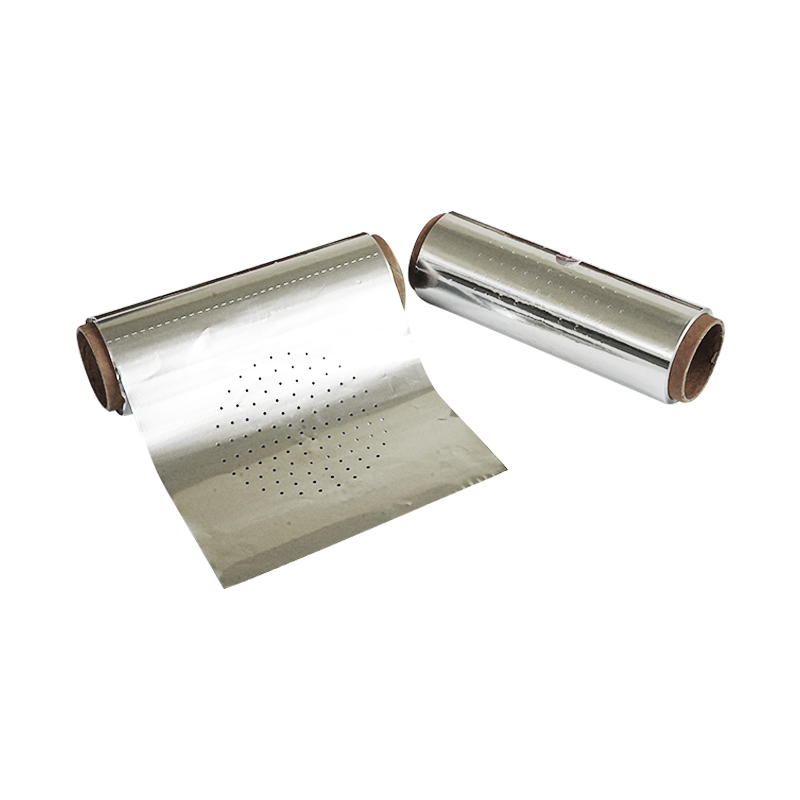
Aluminum foil wrap is a thin, flexible metal sheet produced by rolling aluminum ingots through a series of reducing mills to achieve precise thickness specifications. The material typically consists of approximately 98.5% aluminum, with the remaining balance comprising iron and silicon added to enhance strength and puncture resistance. This composition creates a barrier material that is impermeable to light, oxygen, moisture, and bacteria, making it valuable across multiple industries.
The manufacturing process begins with the casting of aluminum ingots, which are then hot-rolled to intermediate thickness before cold-rolling to final gauge. This process determines the physical characteristics of the finished aluminum packaging foil, including thickness, tensile strength, and surface finish. Modern production facilities employ sophisticated rolling and annealing techniques to produce foil grades ranging from extremely thin (6-10 microns) for capacitor applications to heavier gauges (18-24 microns) for industrial and food service use.
Aluminum foil differs fundamentally from other flexible packaging materials in its molecular structure. Unlike polymer films that rely on multiple layers to achieve barrier properties, aluminum provides intrinsic barrier performance through its metallic crystalline structure. This property explains why a thin layer of foil can effectively block oxygen and moisture transmission without requiring multiple laminations.
Aluminum foil is categorized by thickness, commonly expressed in microns or mils. Standard duty foil typically measures approximately 0.016 mm (16 microns), while heavy-duty versions measure around 0.024 mm (24 microns). The gauge selection directly affects performance characteristics including puncture resistance, conformability, and barrier effectiveness.
| Grade | Thickness (Microns) | Typical Applications |
|---|---|---|
| Light-Duty | 6-10 | Capacitors, insulation layers, lamination |
| Standard-Duty | 14-18 | General food wrapping, covering, household use |
| Heavy-Duty | 20-24 | Grilling, roasting, large pan covering, freezer storage |
| Industrial-Grade | 25-200 | Insulation, automotive, construction |
The thickness variation between standard and heavy-duty foil is not merely cosmetic. A 2008 study on food wraps indicated that the most significant functional differences are between types of wrap rather than between brands of a single type, emphasizing that material selection should be based on application requirements.
Aluminum foil demonstrates reliable performance across a wide temperature range, typically from -20掳F (-26掳C) to 400掳F (204掳C). This thermal stability makes it suitable for both frozen food storage and high-temperature cooking applications. Standard aluminum foil wrap is suitable for grilling and freezer storage, while heavy-duty foil is also oven-safe, making it appropriate for roasting applications where thicker cuts of meat require extended cooking times.
The material's thermal conductivity contributes to even heat distribution when used in cooking applications. However, users should avoid direct contact between foil and high-acid or high-salt foods during cooking, as studies have shown that such contact may cause aluminum to leach into food.
Heavy-duty aluminum foil offers significantly greater strength and puncture resistance compared to standard foil. The thicker gauge reduces tear propagation and allows the material to conform to irregular shapes without breaking. This property makes heavy-duty foil suitable for wrapping large items with sharp edges, such as whole poultry or bone-in cuts of meat.
The balance of strength and flexibility in aluminum foil is achieved through controlled annealing processes that determine the temper of the finished material. Softer tempers provide greater conformability for wrapping, while harder tempers offer increased stiffness for structural applications.
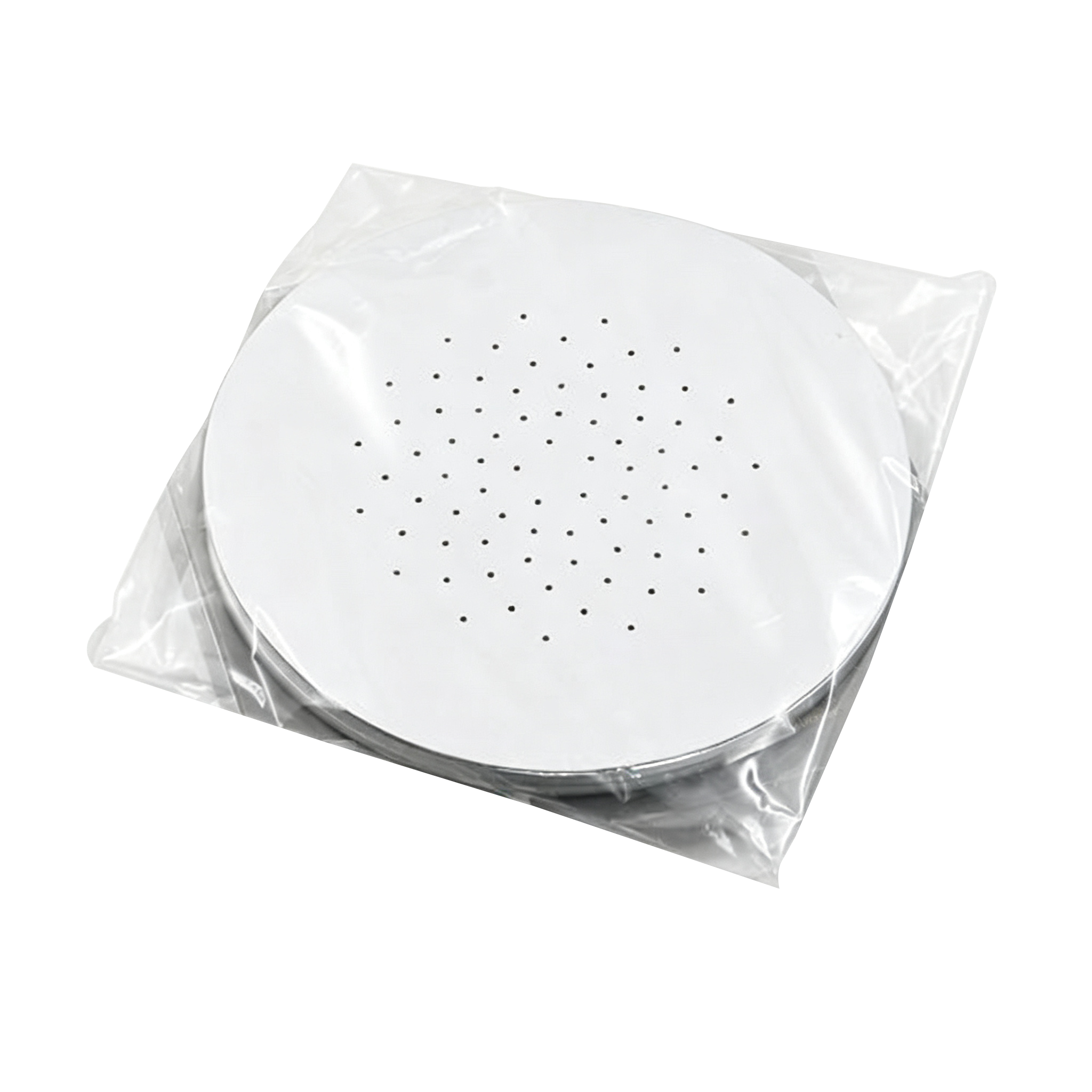
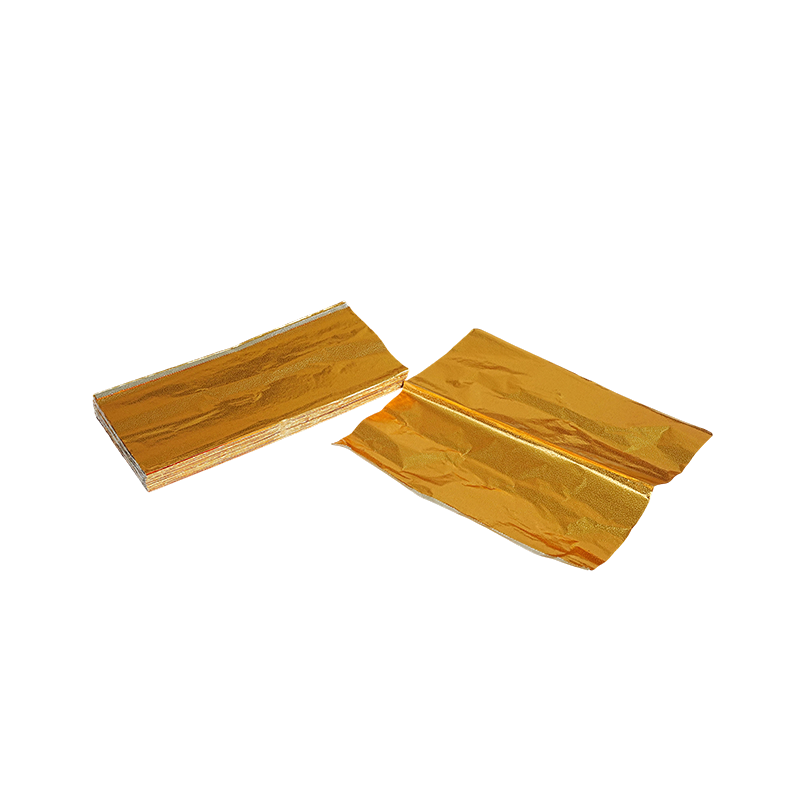
The food service industry represents a substantial market for aluminum packaging foil, with commercial kitchens requiring efficient solutions for food preparation, storage, and transport. Pre-cut aluminum foil sheets have emerged as a practical alternative to traditional rolls in high-volume settings, eliminating the time and waste associated with tearing individual sheets from a roll.
Commercial kitchens value the uniformity of pre-cut sheets for consistent portion wrapping and streamlined workflow. Sheet foil reduces human error and ensures that each piece is the correct size for its intended application, whether for wrapping sandwiches, covering pans, or preparing food for cooking.
The shift from rolls to sheet formats in commercial environments reflects broader industry trends toward operational efficiency. Pre-cut sheets are particularly valued in catering businesses, food trucks, and restaurant chains where speed and consistency directly impact profitability.
Aluminum foil wrap provides an effective barrier against moisture loss and freezer burn when storing food. The impermeable nature of the material prevents oxygen transmission, which slows oxidation and preserves food quality. For freezing applications, foil is considered superior to plastic wrap or waxed paper.
The material's ability to conform tightly to food surfaces minimizes air pockets that contribute to freezer burn. This conformability, combined with the barrier properties, makes foil a preferred choice for wrapping meat, fish, and other perishables intended for extended frozen storage.
Heavy-duty aluminum foil is particularly suited for grilling and roasting applications where durability is essential. The material withstands direct exposure to heat without melting or degrading, making it appropriate for covering grills, lining drip pans, and creating foil packets for cooking.
The heat-reflective properties of aluminum foil can be advantageous in cooking applications. When used to cover foods during roasting, foil helps retain moisture while preventing excessive browning. The shiny surface reflects radiant heat, which can help foods cook more evenly.
Beyond food-related uses, aluminum foil serves numerous industrial applications including thermal insulation, capacitors, and specialized packaging. Radiant barrier insulation uses aluminum foil to reflect heat, improving building energy efficiency. Foil tapes and laminates provide vapor barriers in construction applications.
The material's electrical conductivity makes it suitable for certain electronic applications, though these typically require precise alloy specifications and thickness tolerances.
Aluminum foil and plastic wrap serve different purposes despite some functional overlap. Foil provides superior barrier properties against oxygen and moisture, making it better suited for long-term food storage and freezing. Plastic wrap offers better transparency and conformability for covering bowls and containers but does not provide the same level of protection against oxygen transmission.
Cost considerations also differ. A 1976 analysis found that wrapping a lunchtime sandwich in aluminum foil costs approximately three times more than using plastic wrap or waxed paper. This cost differential influences material selection based on the value of the food being protected and the required storage duration.
Baking paper (parchment paper) offers non-stick properties that make it ideal for baking and roasting applications. However, baking paper lacks the heat resistance and robustness of aluminum foil for high-temperature applications. Foil maintains durability at higher temperatures and provides superior insulation during food transport.
For moisture-sensitive applications, aluminum foil offers a complete barrier that baking paper cannot match. This makes foil preferable for applications requiring maximum protection against dehydration or contamination.
Within the aluminum foil category, the choice between standard-duty and heavy-duty products is determined by the application requirements. Standard foil is suitable for wrapping sandwiches, covering smaller pans, and light food storage. Heavy-duty foil is appropriate for larger items, oven roasting, grilling, and applications where puncture resistance is essential.
| Characteristic | Standard-Duty Foil | Heavy-Duty Foil |
|---|---|---|
| Thickness | ~16 microns | ~24 microns |
| Tear Resistance | Moderate | High |
| Oven-Safe | Not typically noted | Yes |
| Best Use | Light wrapping, storage | Roasting, grilling, covering large items |
The price difference between these grades is modest, with heavy-duty foil typically costing about 10-25% more per square foot, making the upgrade cost-effective for demanding applications.
When specifying aluminum foil wrap for commercial applications, several quality parameters deserve attention. Foil grade designation indicates the alloy composition and temper, with common alloys including 8011 for general packaging, 8079 for deep-drawing applications, and 1050 for chemical resistance. The O-temper designation indicates soft, annealed foil suitable for flexible applications.
For food-contact applications, compliance with FDA regulations (21 CFR 搂175.300) or EU Regulation (EC) No 1935/2004 is typically required. Certification should confirm that the material is free from heavy metal contamination and meets migration safety requirements.
Evaluating potential suppliers involves assessing operational metrics beyond simple price comparison. On-time delivery performance, reorder rates, and response times provide indicators of supplier reliability. Suppliers maintaining delivery rates above 94% demonstrate consistent operational maturity.
Technical capability assessment should include verification of alloy specifications, thickness tolerances, and quality testing procedures. Requesting physical samples for testing tensile strength, pinhole density, and surface smoothness can reveal product quality before committing to volume purchases.
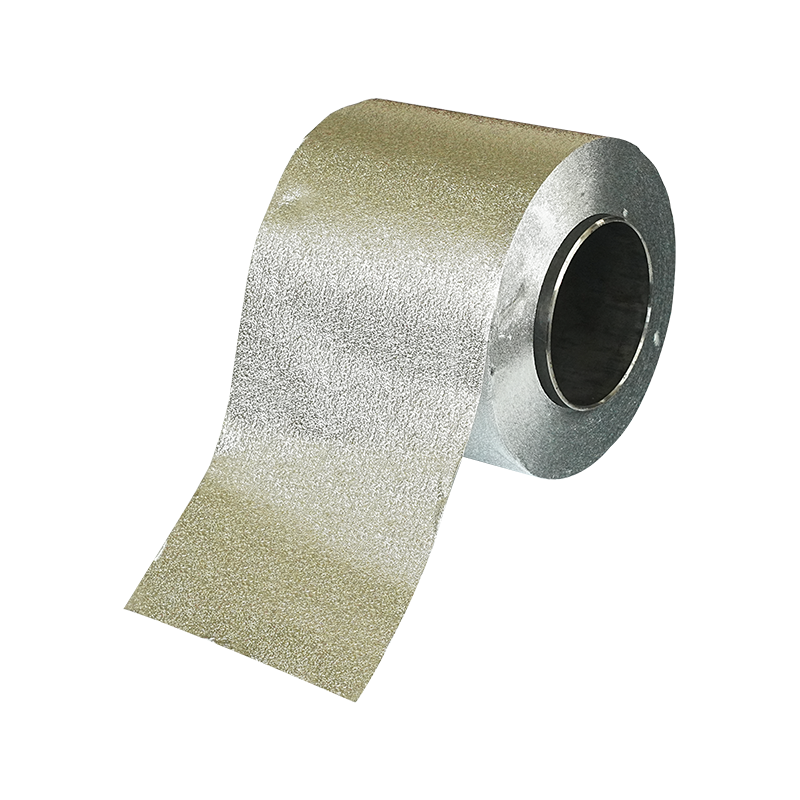
Many suppliers offer customization options including printed designs, embossing, and specialized packaging formats. Custom printing and labeling can support branding initiatives in consumer-facing applications. For industrial applications, custom roll widths and core diameters may be necessary.
Packaging for export shipments should include moisture-resistant wrapping, edge protectors, and sturdy cartons to prevent transit damage. Bulk orders are typically shipped on pallets with stretch wrap and moisture barriers.
The aluminum foil market continues to evolve in response to changing consumer preferences and regulatory requirements. Sustainability considerations are becoming increasingly prominent, with recyclability being identified as a desirable attribute. Aluminum foil is inherently recyclable, though recycling rates vary by region and available infrastructure.
Innovation in product formats, such as pre-cut pop-up sheets, reflects broader industry emphasis on operational efficiency. These formats eliminate waste and reduce preparation time in commercial kitchens, making them attractive to high-volume food service operations.
Environmental considerations are prompting development of reduced thickness and alternative materials in some applications. However, the unique barrier properties of aluminum foil limit the feasibility of complete replacement in many applications where protection against oxygen and moisture is critical.
Aluminum foil wrap remains a versatile packaging material with applications spanning food service, food preservation, cooking, and industrial uses. The material's combination of impermeability, thermal stability, and conformability differentiates it from alternative packaging options. Understanding the technical specifications and application requirements enables informed material selection that balances performance with cost considerations.
The distinction between standard-duty and heavy-duty foil is determined by thickness, with heavier gauges providing enhanced strength and puncture resistance suitable for demanding applications. Commercial purchasers should evaluate suppliers based on operational performance metrics, quality certifications, and customization capabilities to ensure reliable supply consistent with application requirements.
READY TO CUSTOMIZE YOUR FOIL? CONTACT US TODAY!
+86-13484112116
+86-13967339826
No. 22, Zhijiang Road, Zhouwangmiao Town, Haining City, Jiaxing City, Zhejiang Province, China
Contact Us