 English
 عربى

Is Smoking Out of Aluminum Foil Harmful? Health Risks and Safer Choices
Content
Smoking out of aluminum foil is one of those improvised practices that surfaces in many contexts: a student jury-rigging a pipe, a camper making do in the wilderness, or a hookah smoker patching a worn foil cap. Yet the question "is smoking out of aluminum foil harmful" is rarely asked before the first inhale.
The short answer is yes. Using ordinary household aluminum foil as a smoking surface exposes you to unnecessary risks, from microscopic metal particles to combustion byproducts. The longer answer involves temperature thresholds, foil thickness, surface coatings, and why purpose-made alternatives can substantially change the exposure profile. This article explains what happens when foil is heated, which health concerns are supported by research, and what hookah smokers should know before they reach for a kitchen roll.
What Happens When Aluminum Foil Is Heated?
Standard household aluminum foil is a thin sheet of nearly pure aluminum, typically 98 to 99 percent aluminum with trace amounts of iron and silicon added for strength. It is manufactured for food wrapping, storage, and baking, and its tolerances are calibrated for temperatures up to roughly 220°C (428°F). Food-safety agencies evaluate foil for contact with food in that range, not for exposure to an open flame or burning charcoal.
The situation changes dramatically when foil is used as part of a smoking device. A charcoal disc or a direct flame can produce localized foil temperatures of 400°C to 600°C (750°F to 1,100°F), far beyond the kitchen design envelope. Under those conditions, three processes begin simultaneously:
- The protective aluminum oxide layer breaks down and reforms at an accelerated rate, releasing microscopic aluminum oxide particles into the surrounding air.
- Residual rolling oils and manufacturing lubricants on commercial foil burn off, adding combustion byproducts to the smoke stream.
- The foil weakens, micro-cracks form, and tiny fragments flake off into the material below, where they are drawn directly into the mouth and lungs.
Research published in Environmental Sciences Europe found that aluminum foil releases significantly higher amounts of aluminum when exposed to high temperatures, particularly in the presence of acids. The study focused on cooking, but the mechanism is identical in a smoking setup: heat liberates aluminum from the foil matrix, and airborne aluminum particles become part of the smoke.
What Health Risks Are Linked to Inhaling Heated Foil?
Aluminum particles that enter the lungs bypass the digestive tract, which is the route food-safety testing assumes for dietary aluminum. The respiratory system has no equivalent filter for microscopic metal particles. A meaningful fraction of what is inhaled remains in lung tissue, and repeated exposure allows levels to build up over time.
Respiratory irritation and inflammation
Inhaled aluminum oxide is mechanically abrasive to the delicate lining of the airway. Occupational studies of aluminum dust exposure report elevated rates of coughing, wheezing, and throat irritation among exposed workers, and people with asthma or chronic bronchitis may be particularly sensitive.
Systemic accumulation and neurological concerns
Aluminum that crosses into the bloodstream binds to transport proteins and spreads throughout the body. Aluminum is recognized as a neurotoxin at high concentrations, and prolonged exposure has been associated with cognitive changes in occupationally exposed populations. For someone smoking from foil several times a week, the inhaled dose is added on top of ordinary dietary aluminum intake.
Combined toxicity with other smoke compounds
Smoking devices that use foil also burn tobacco, molasses, or herbal blends. Carbon monoxide, tar, aldehydes, and volatile organic compounds join the aluminum particles in the same breath. This combination makes cumulative exposure more concerning than any single component, and it also means that symptoms cannot be blamed on the foil alone.
One point deserves emphasis: no household foil manufacturer designs or certifies its product for smoking. Food-grade certification addresses contact with food, not the inhalation of heated metal particulates. An uncharacterized risk is still a real risk.
Household Foil vs. Purpose-Made Hookah Foil
When people smoke out of aluminum foil, they usually grab whatever roll sits in the kitchen drawer. That product is thin, unperforated, lightly coated with rolling oils, and engineered to wrap leftovers, not to sit beneath burning charcoal. The hookah industry, by contrast, has developed a dedicated category of aluminum foil built around the real conditions of heat management.
| Property | Household Foil | Hookah Foil |
|---|---|---|
| Typical thickness | 11-18 microns | 30-50 microns |
| Perforation | None | Pre-punched micro-holes |
| Heat design | Up to 220°C cooking use | Built for charcoal temperatures |
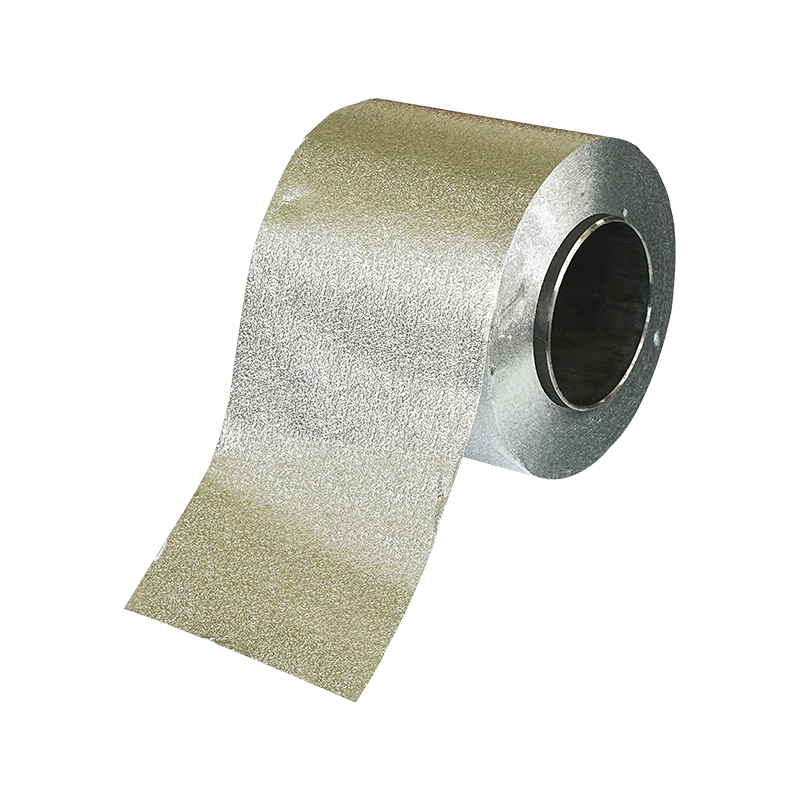
| Surface finish | Plain, lightly oiled | Embossed, coal-gripping texture |
| Intended use | Food storage and baking | Hookah bowl heat control |
The differences have direct health implications. A thicker hookah foil creates a thermal buffer that keeps the material below the combustion zone, reducing both scorching and the release of aluminum particles. Pre-punched holes guarantee even airflow and eliminate the hot spots where foil degrades fastest. Embossed surface patterns hold the charcoal in place and maintain a small air gap that prevents direct contact between coal and foil.
For hookah smokers, the switch from kitchen foil to a purpose-designed hookah foil range is one of the simplest risk-reducing changes available.
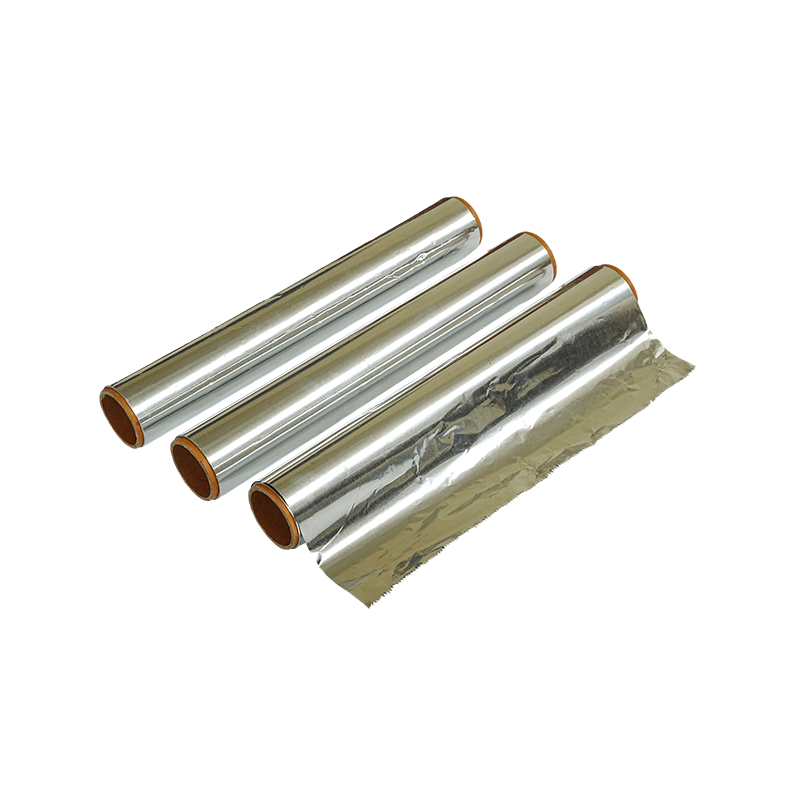
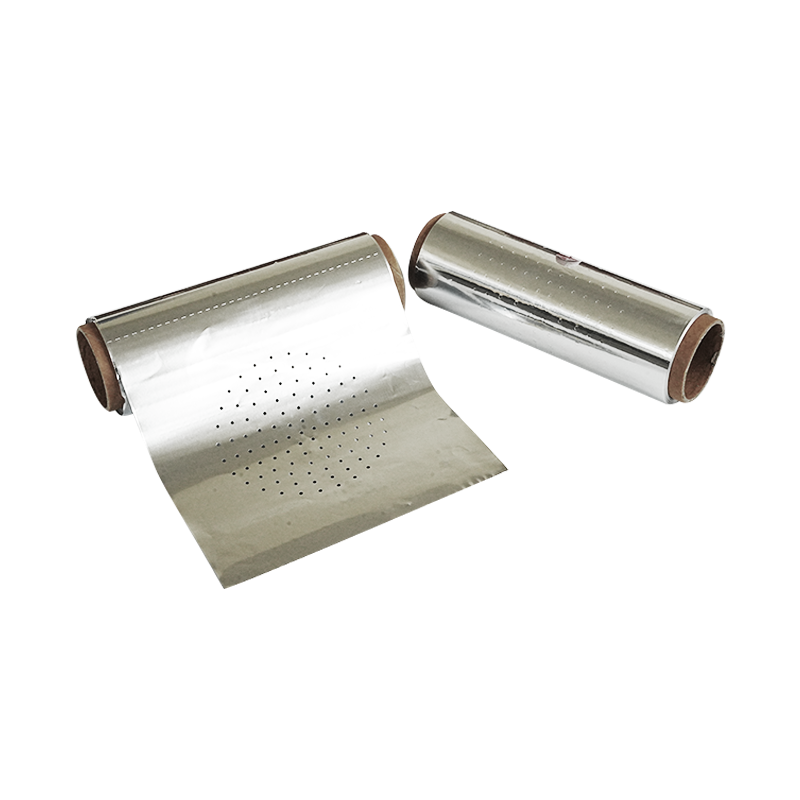 Perforated Continuous Shisha Aluminum Foil RollThis continuous roll of food-grade aluminum foil lets hookah smokers cut custom sizes and rely on pre-made perforations for consistent heat distribution and airflow.View Product →
Perforated continuous rolls deliver consistent hole patterns across every session, eliminating the guesswork of hand-poked holes.
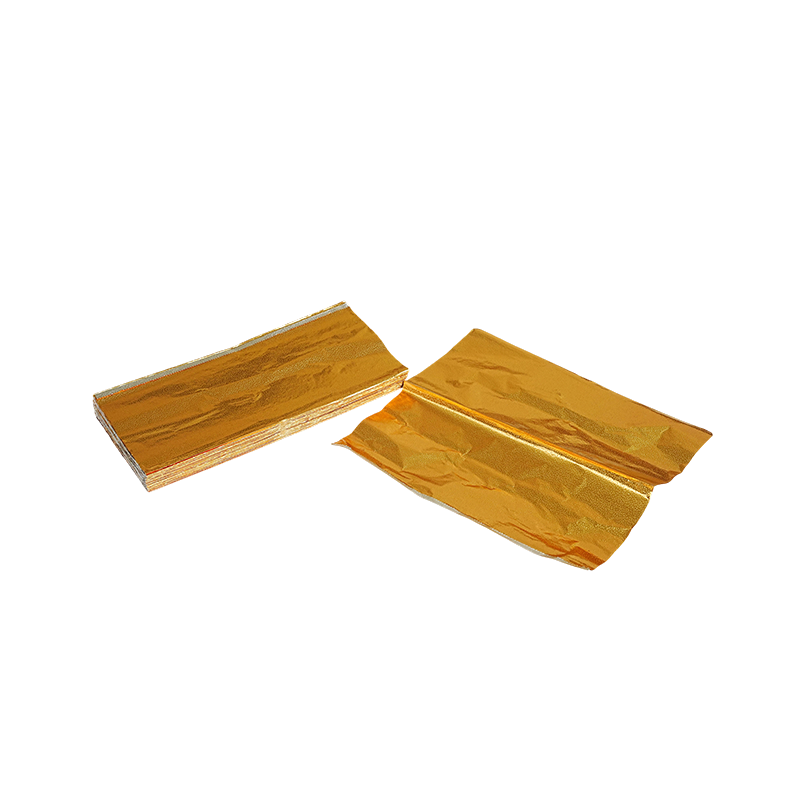
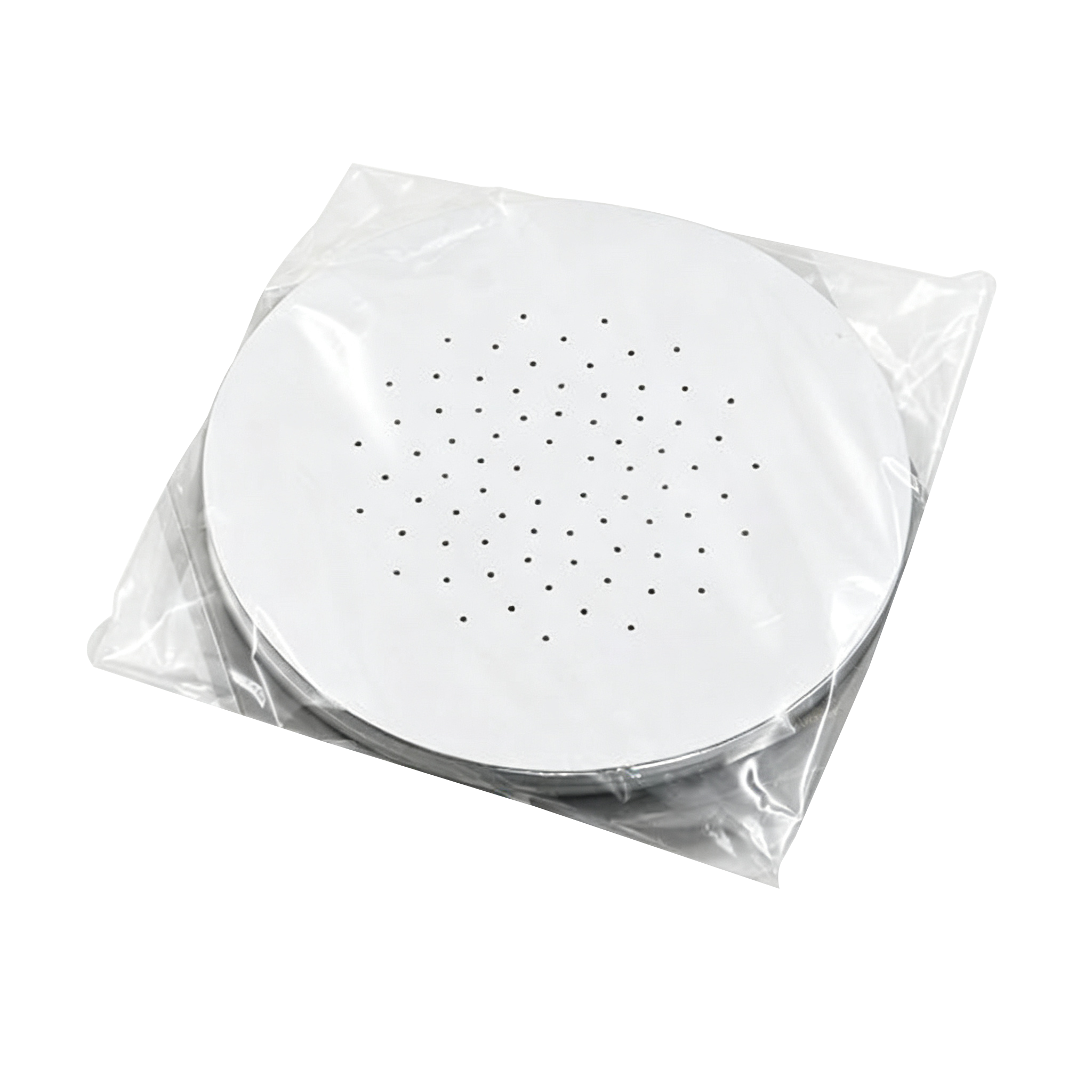 Pre-cut Shisha Foil Discs for Standard BowlsReady-to-use foil discs sized for standard hookah bowls provide uniform thickness and even heating, saving time and ensuring consistent coverage without manual cutting.View Product →
Pre-cut discs, meanwhile, remove the guesswork of cutting a perfect circle, which matters when the goal is even heat distribution. These are functional specifications, not luxuries, and they directly affect what enters your airway.
Can You Reduce the Risks of Smoking Out of Aluminum Foil?
If you are not ready to switch to purpose-built hookah foil, a few precautions can lower, but never eliminate, the dangers of smoking from ordinary foil. Treat these as harm-reduction steps, not as a license to ignore the underlying problem.
- Choose the thickest foil you can find. Heavy-gauge household foil resists tearing and takes longer to reach the temperatures at which aluminum oxide is shed.
- Never use printed, colored, or decorated foil. Printing inks contain heavy-metal pigments that volatilize when heated.
- Keep acidic ingredients away from the foil. Lemon juice, vinegar, and salty mixtures accelerate aluminum leaching.
- Position a heat-management device or a raised screen so the coal never touches the foil directly.
- Replace the foil after every session. Reheating degraded foil releases more particles than the first use.
- Wipe the foil with a dry paper towel before each use to remove loose particles and residual processing oils.
Remember: these steps only reduce exposure. The only way to fully avoid aluminum foil smoke exposure is to stop using foil as a smoking surface.
The Bottom Line
So, is smoking out of aluminum foil harmful? Based on materials chemistry, public health research, and manufacturing standards, the answer is yes, particularly with repeated use. Household foil is not engineered to withstand charcoal-level heat. It sheds aluminum oxide particles, burns off surface residues, and leaches metal into the smoke. The lungs are a poor disposal route for metallic particulates, and the cumulative effects of aluminum exposure are documented well enough that no responsible foil manufacturer recommends the practice.
The alternative is not a luxury product. Companies that have spent years developing smoking foil products, such as Xianju Industry & Trade, a hookah foil manufacturer since 2006, build their foil around heat management and air quality rather than kitchen convenience. Thicker gauges, engineered perforations, and clean finishes are specifications with direct health implications, and they are affordable enough for everyday hookah use.
If you smoke, the foil under your coal matters. Choose a product designed for the heat, or choose not to smoke at all. Do not assume that a kitchen roll from the drawer is harmless. The evidence is clear, and the responsible decision starts with your next bowl.
Frequently Asked Questions
Q1: Can smoking out of aluminum foil kill you?
A: No documented case attributes death solely to smoking out of aluminum foil. The health risks are cumulative, and repeated exposure contributes to respiratory irritation, systemic aluminum accumulation, and combined toxicity with other smoke compounds. A single session is unlikely to be lethal, but habitual use adds avoidable metal particulates to every breath.
Q2: Does burning aluminum foil release toxic gas?
A: At typical smoking temperatures, aluminum foil does not combust like paper, so it does not emit a classic toxic gas. Above roughly 500°C, however, foil oxidizes rapidly and releases aluminum oxide particles that are a respiratory hazard when inhaled. The danger is particulate rather than gaseous, with a similar effect on lung tissue.
Q3: Is it safe to smoke out of aluminum foil occasionally?
A: An occasional improvised use carries far less risk than a daily habit, simply because exposure is dose-dependent. If you must smoke out of foil rarely, use the thickest clean foil available, avoid direct flame contact, and never reuse a piece. These precautions reduce harm; they do not make the practice safe.
Q4: What is the difference between hookah foil and regular aluminum foil?
A: Hookah foil is thicker (30 to 50 microns versus 11 to 18 microns), pre-perforated for airflow, and produced specifically for charcoal-heated use. Regular kitchen foil is made for wrapping and baking, and it lacks the structural strength and perforation pattern needed to sit beneath a coal. The two are not interchangeable at a health level, even though they look similar at a glance.

READY TO CUSTOMIZE YOUR FOIL? CONTACT US TODAY!
+86-13484112116
+86-13967339826
No. 22, Zhijiang Road, Zhouwangmiao Town, Haining City, Jiaxing City, Zhejiang Province, China
Contact Us
