 English
 عربى

Can Aluminum Foil Go in Microwave? Complete Safety Guide for Household Use
Content
- 1 Direct Answer: Can Aluminum Foil Go in a Microwave?
- 2 Why Aluminum Foil Sparks in a Microwave
- 3 When Foil Can Help You Cook More Evenly
- 4 Four Danger Scenarios: When Foil Should Not Go in a Microwave
- 5 Safety Guidelines for Everyday Microwave Use
- 6 Choosing the Right Food-Grade Foil for Home Use
- 7 What Manufacturers Say About Aluminum Foil in a Microwave
- 8 Frequently Asked Questions
You are about to press start on the microwave and your hand hesitates. There is a small piece of aluminum foil still tucked over the corner of the lasagna dish. The question "can aluminum foil go in a microwave?" has no single yes or no answer. It depends on the shape of the foil, the wattage of the oven, the food underneath, and the distance between the foil and the metal walls of the cavity. Get those four things right, and the foil can actually help your food cook more evenly. Get them wrong, and you could be buying a new magnetron.
Direct Answer: Can Aluminum Foil Go in a Microwave?
Aluminum foil can go in a microwave when three conditions are true at the same time. The foil must be smooth and flat, it must cover no more than about 25 percent of the food, and it must sit at least 2.5 cm (1 inch) away from every metal surface in the cavity. When those conditions are met, the foil reflects microwaves away from a specific spot, which is exactly the principle behind the technique known as foil shielding.
This is why a tiny shield over a chicken bone or the thin end of a fish fillet works. The foil protects that section from the most intense part of the wave while the rest of the dish cooks. The food absorbs the heat, the metal reflects the wave, and nothing has to spark.
- Smooth and flat. No wrinkles, no folding, no curled edges.
- Small area. Cover no more than a quarter of the food surface.
- Keep distance. At least one inch from walls, door, and turntable.
Why Aluminum Foil Sparks in a Microwave
Crumpled aluminum foil sparks because the sharp edges concentrate the electric field. A microwave generates an alternating electric field at 2.45 GHz. On a smooth sheet, electrons move in a broad path and the wave reflects cleanly. In a crumpled ball, those electrons are forced into pointed corners and knife-like edges, where the local charge density climbs high enough to ionize air molecules.
The visible orange spark is not just a small annoyance. It can blacken the oven interior, scar the foil, and reflect energy back into the magnetron. The magnetron is the vacuum tube that creates the microwaves. It is designed to emit, not to absorb. Repeated arcing overheats it and can make the entire oven stop heating.
When Foil Can Help You Cook More Evenly
Foil shielding is a real cooking technique, not an urban legend. If you roast a chicken in a microwave, the bone heats faster than the surrounding meat. A small, smooth cap of foil placed over the bone during the first stage of cooking deflects the microwaves and stops the bone from burning while the meat catches up.
The technique has a simple step sequence.
- Cut a smooth sheet just large enough to cover the thin section or bone.
- Wrap it tightly around the piece so no edges stand up.
- Position the dish so the foil faces away from the microwave door.
- Remove the foil after about two-thirds of the total cooking time, then finish heating.
Four Danger Scenarios: When Foil Should Not Go in a Microwave
Four foil scenarios are almost guaranteed to cause arcing in a home microwave. If you are serious about avoiding a replacement magnetron, keep these out of the cavity.
- Crumpled foil balls, crushed wrappers, or any sheet with a torn, jagged edge.
- Foil trays with raised, ribbed, or serrated rims, which act like antennas.
- Any foil that touches the wall, ceiling, floor, or the door screen.
- An empty foil container, because without food to absorb energy the electric field builds up on the metal.
| Foil condition in microwave | Safe? | Core reason |
| Small smooth piece over food | Yes | Current spreads across the surface and reflects the wave |
| Crumpled ball or crushed wrapper | No | Sharp edges ionize air and create arcs |
| Foil tray with raised rim | Only if very smooth | Rim concentrates energy like a small antenna |
| Foil touching oven wall or door | No | Metal to metal contact makes a short circuit |
| Empty foil container | No | No food absorbs the energy, the metal charges up |
Safety Guidelines for Everyday Microwave Use
You can use foil safely if you control its shape, size, and position. Never test an unknown foil shape in your own oven. Start with a small piece, watch carefully, and keep the manual of your microwave nearby.
A clean cut is safer than a torn edge. When you tear foil by hand, you create a jagged line. A jagged edge is the single biggest risk factor for sparking. Precut sheets eliminate that step entirely. A factory-cut sheet has a straight edge with no exposed sharp points.
Choosing the Right Food-Grade Foil for Home Use
When the foil itself is the question, the difference is not just the material. It is the finish, the cut, and the food-contact certification. A manufacturer such as Haining Xianju Industry and Trade Co., Ltd., based in Haining, Zhejiang Province, produces household aluminum foil for exactly these scenarios. The company's 5,300 square meter factory turns out multipurpose food-grade kitchen foil designed for wrapping, covering and storing food.
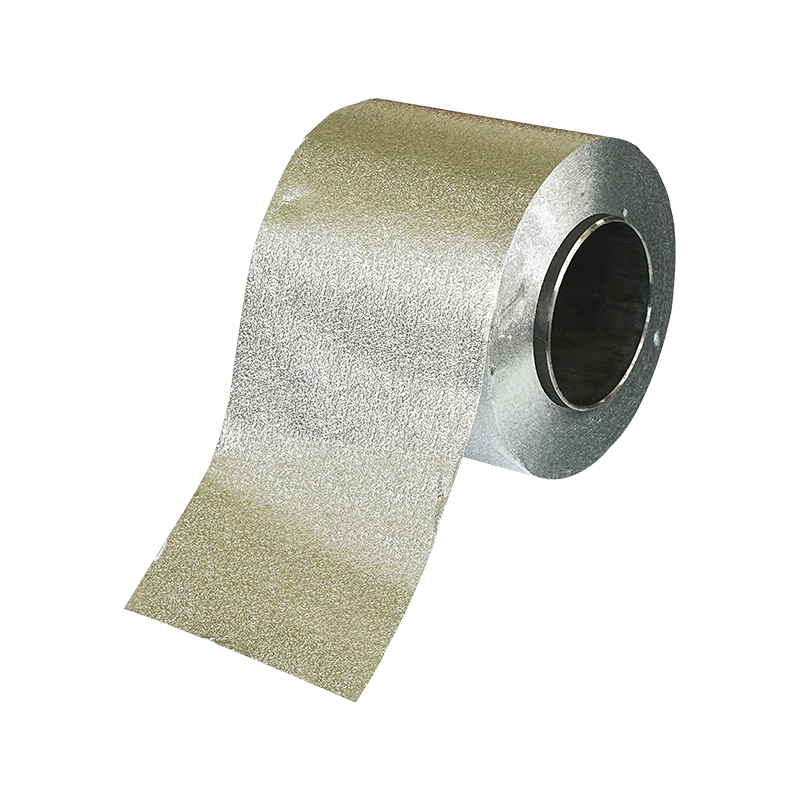
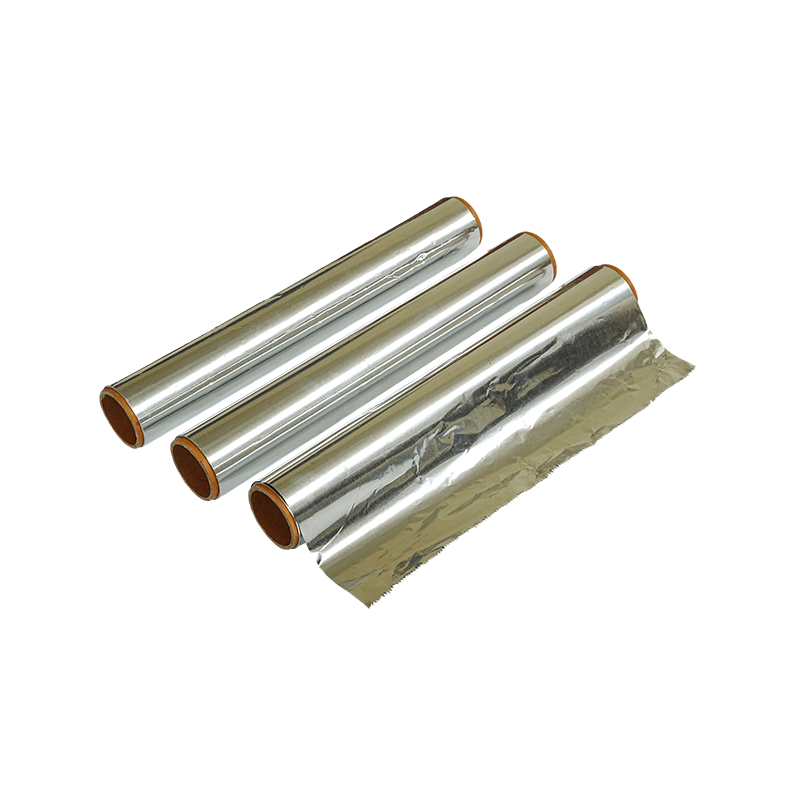 Food-Grade Aluminum Foil Rolls for Wrapping and CookingThese household kitchen foil rolls are food-safe, durable, and heat-resistant, making them suitable for wrapping, storing, and cooking a variety of foods in daily kitchen tasks.View Product →
For home cooks who want a ready-to-use sheet with a clean edge, precut interfolded aluminum foil sheets are cut to standard sizes in the factory. You pull one sheet and the edge is sealed, smooth and uniform. That removes the torn-edge risk that comes from manual tearing. The same factory also produces precut shisha foil discs and hookah foil rolls, but those are not for microwave use; stick with the household kitchen foil line.
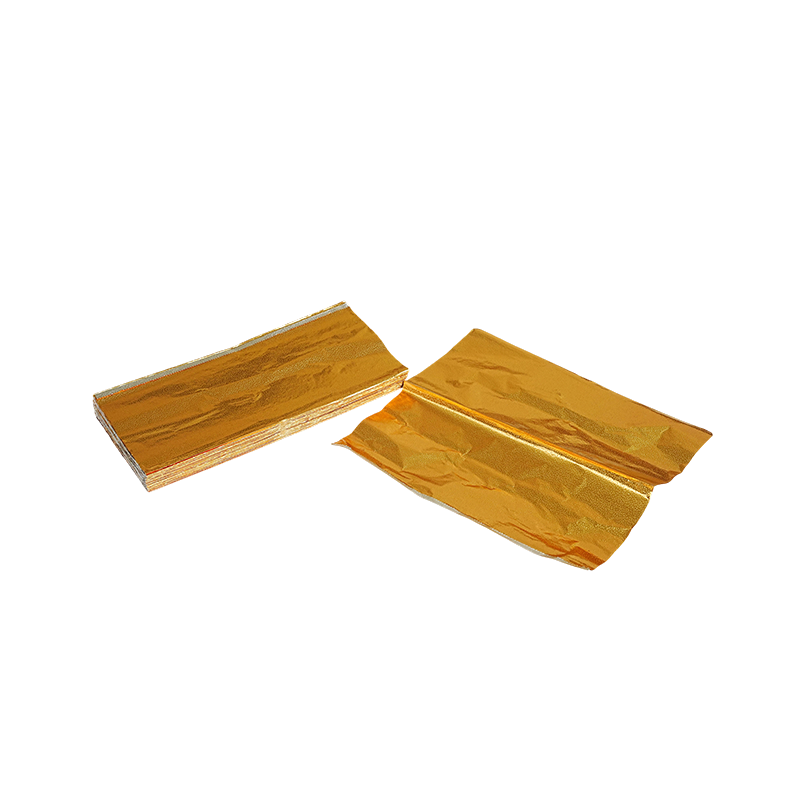 Precut Interfolded Foil Sheets with Clean EdgesEach sheet is factory-cut to a standard size with a sealed, smooth edge, eliminating torn edges from manual tearing and providing a ready-to-use option for cooking and wrapping.View Product →
For deeper background on how aluminum foil is specified for food contact, see this technical specifications and sourcing guide. The company has worked with international buyers across Europe, the Middle East and North America since 2006, and its delivery capacity of more than 30 containers per month is a sign of the production depth behind the product.
What Manufacturers Say About Aluminum Foil in a Microwave
Most manufacturers do not recommend foil in home microwaves. The instruction manual for your specific model is the only document that applies to your cavity shape, wattage and magnetron. If that manual says no foil, do not test it.
A safer default is to use microwave-safe glass or ceramic whenever you are unsure. If you do want to use the shielding technique, find a manufacturer that explicitly permits small, smooth pieces of foil. The printed instructions in your box remain the reference, not a general internet recommendation.
Frequently Asked Questions
Can aluminum foil go in a microwave if it is flat and smooth?
Yes, but only when the foil piece is small, sits at least 2.5 cm away from the oven walls, and is placed over food. A smooth sheet does not spark; a crumpled one does.
Why does aluminum foil spark in a microwave?
The sharp edges of crumpled or torn foil concentrate the electric field, ionize the air around them and create a visible arc. The geometry of the foil, not the metal itself, is the cause.
Can I microwave a foil tray or container?
Only if the tray is smooth, contains food, and stays away from the metal walls. A raised or serrated rim is the most common trigger for arcing.
What should I do if my microwave sparks when I put foil inside?
Stop the microwave immediately, unplug it and remove the foil. Inspect the cavity for black marks. If the oven does not heat afterwards, the magnetron may need professional repair.


READY TO CUSTOMIZE YOUR FOIL? CONTACT US TODAY!
+86-13484112116
+86-13967339826
No. 22, Zhijiang Road, Zhouwangmiao Town, Haining City, Jiaxing City, Zhejiang Province, China
Contact Us
