 English
 عربى
عربى

How Do You Choose Hairdressing Foil Rolls That Keep Color Processing Consistent?
Content
- 1 Why Foil Choice Quietly Shapes the Outcome of Every Color Service
- 2 Key Material Properties That Define Foil Quality
- 3 Embossed Versus Smooth Foil: A Direct Performance Comparison
- 4 Roll Dimensions and How They Match Salon Workflow
- 5 How Foil Gauge Affects Heat Retention During Processing
- 6 A Practical Step-by-Step Foil Application Workflow
- 7 Sustainability and Cost Considerations for Bulk Purchasing
- 8 Common Mistakes Salons Make When Selecting Foil
- 9 Frequently Asked Questions
Why Foil Choice Quietly Shapes the Outcome of Every Color Service
Every colorist has felt the difference between a foil that folds cleanly against the scalp and one that slips, curls back, or lets bleach bleed onto the wrong strand. Hairdressing Foil Rolls are one of those background tools that rarely get discussed until something goes wrong mid-service. Once a stylist has worked with a roll that tears cleanly, holds heat evenly, and unrolls without static cling, going back to an inconsistent product feels like a step backward.
This guide breaks down the material properties, surface finishes, and roll formats that actually influence how a foil behaves at the chair. Rather than treating foil as a commodity, it is worth evaluating the same way a colorist evaluates developer volume or lightener strength: by how predictably it performs under real working conditions.
Key Material Properties That Define Foil Quality
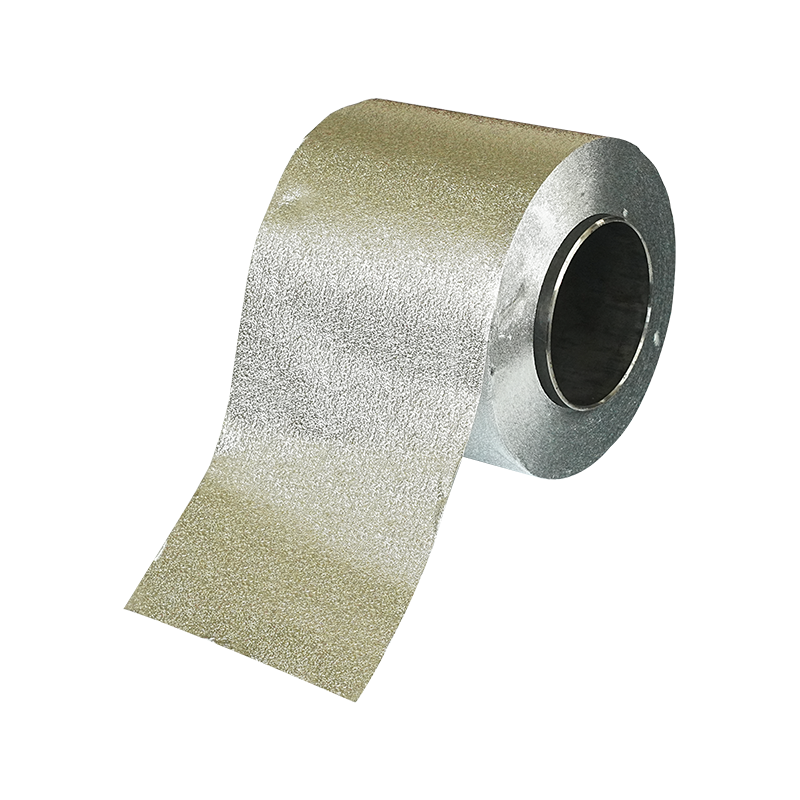
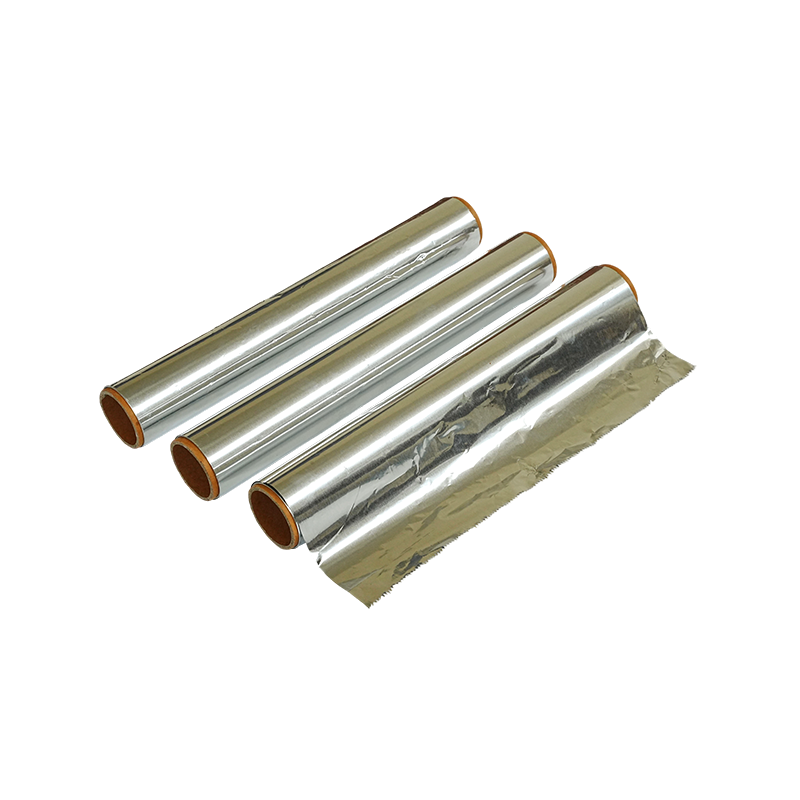
Not all aluminum sheeting used in salons is produced the same way. Three variables determine how a roll of Embossed Hair Salon Foil Roll will hold up during a lengthy balayage or full-head lightening session: gauge (thickness), alloy purity, and surface treatment.
- Gauge is typically measured in microns and determines rigidity and heat retention.
- Alloy composition affects how the sheet responds to folding without cracking at the crease.
- Surface treatment, whether embossed or smooth, changes grip against wet hair and against gloved fingers.
The table below summarizes typical gauge ranges and the service types they are generally matched to across professional supply catalogs.
| Foil Gauge Range | Typical Service | Handling Feel |
|---|---|---|
| 10 to 12 microns | Fine highlights | Light, fast to fold |
| 13 to 15 microns | Balayage and weaving | Balanced stiffness |
| 16 to 18 microns | Full head color correction | Firm structure |
| 19 to 22 microns | Heavy bleach or double process | Rigid, holds shape |
Embossed Versus Smooth Foil: A Direct Performance Comparison
The surface finish of a Salon Hair Coloring Foil is not a cosmetic detail. Embossing creates a textured diamond or linear pattern across the sheet, which changes how the foil grips hair strands and how evenly it distributes pressure when folded flat against the scalp.
Smooth foil is generally lighter and unwinds with less resistance, which some stylists prefer for speed-based techniques like weaving. Embossed foil tends to hold its fold longer and resists slipping once color has been applied, which matters most during longer processing times or when a client moves under the dryer.
Embossed vs Smooth Foil: Working Characteristics
Roll Dimensions and How They Match Salon Workflow
Beyond thickness and texture, roll length and width directly affect how often a stylist interrupts a service to switch rolls. A busy chain salon cutting hundreds of foil sheets per week has different needs than a boutique studio focused on precision color correction.
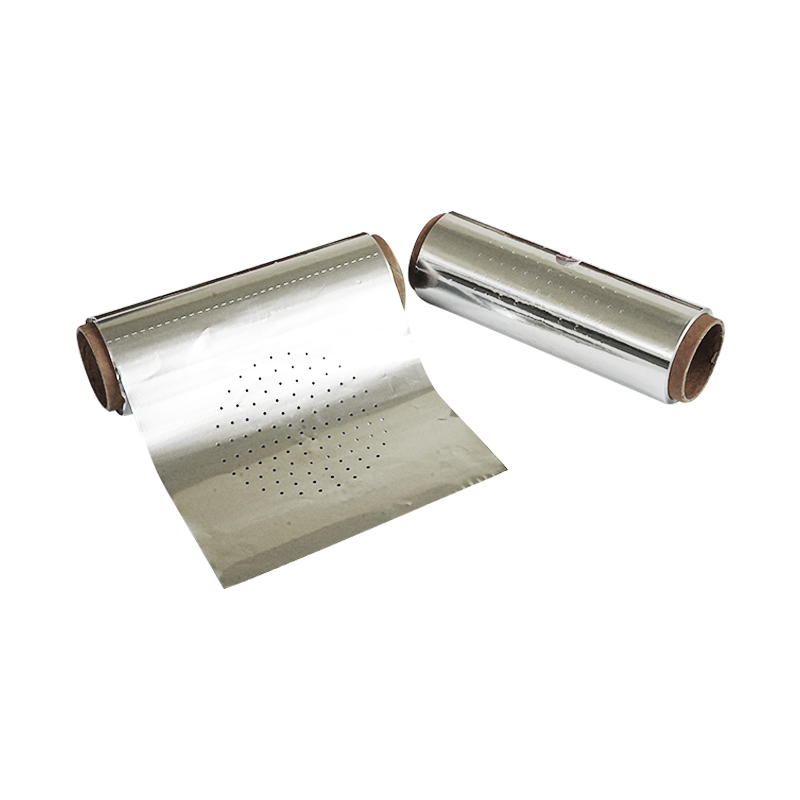
Common widths run from around 12 centimeters for narrow pre-cut sheets to 30 centimeters for full rolls that get hand-cut to size. Roll lengths generally range from short 25 meter rolls suited to single-client kits up to 250 meter bulk rolls intended for high-volume back bars.
Typical Roll Length Distribution Across Salon Types
How Foil Gauge Affects Heat Retention During Processing
Thicker foil holds ambient heat from a processing dryer or hooded warmer longer than thin foil, which can shorten development time slightly for lightening services. This matters most when a colorist is timing multiple sections placed at different points in a session, since foil that cools too quickly can create uneven lift between the first and last sections wrapped.
The chart below illustrates a general pattern observed across gauge categories: heavier foil retains applied heat for a longer window before dropping back toward room temperature, giving more consistent processing across a full head of sections.
Relative Heat Retention Over Processing Time
A Practical Step-by-Step Foil Application Workflow
Consistent results come from a repeatable process rather than improvisation. The sequence below reflects a standard foil placement workflow used across most freehand and traditional foiling techniques.
Repeating this cycle with a foil that folds cleanly on the first attempt, rather than requiring a second crease, shaves meaningful time off longer services and reduces the chance of a section shifting out of place.
Sustainability and Cost Considerations for Bulk Purchasing
Salons using Hairdressing Aluminum Foil Roll products in high volume increasingly weigh recyclability alongside price per roll. Aluminum is fully recyclable without loss of material quality, which makes it easier for salons to participate in local scrap metal recycling programs rather than sending used foil to general waste.
From a cost standpoint, buying longer bulk rolls generally lowers the price per meter compared to pre-cut sheets, but requires storage space and a dedicated cutting station. Smaller studios often find that mid-length rolls strike the right balance between cost savings and manageable storage.
| Consideration | Bulk Rolls | Pre-Cut Sheets |
|---|---|---|
| Cost per meter | Lower | Higher |
| Storage needs | Higher | Lower |
| Cutting flexibility | Custom sizing | Fixed sizing |
Common Mistakes Salons Make When Selecting Foil
A surprising number of foil-related complaints trace back to selection errors rather than manufacturing defects. Watch for these recurring issues:
- Choosing gauge based on price alone, resulting in foil too thin for heavy bleach services.
- Ignoring surface texture and ending up with slippage during long processing sessions.
- Buying roll widths that require excessive trimming, increasing product waste.
- Storing rolls in humid back-bar areas, which can cause sheets to stick together.
Addressing these factors during purchasing, rather than after a service goes wrong, keeps both product cost and client experience predictable.
Frequently Asked Questions
Q1: What thickness of foil is best for balayage?
Most stylists use foil in the 13 to 15 micron range for balayage, since it is thin enough to fold quickly around freehand painted sections while still holding shape during processing.
Q2: Does embossed foil work better than smooth foil for all techniques?
Not necessarily. Embossed foil generally holds its fold more securely for longer services, while smooth foil unrolls faster and suits quick weaving techniques where speed matters more than fold retention.
Q3: How long can salon foil rolls be stored before use?
Aluminum foil does not degrade chemically over time, but rolls should be kept in a dry, sealed area to prevent sheets from sticking together or developing surface oxidation from humidity exposure.
Q4: Is thicker foil always the better choice?
Thicker foil suits heavy bleach or full head correction work, but it can feel bulky and slow down fast techniques like fine highlighting, where lighter gauge foil is usually preferred.
Q5: Can foil rolls be recycled after use?
Yes, aluminum is widely accepted at recycling facilities, and many salons collect used foil separately from general waste to send it into standard scrap aluminum recycling streams.
READY TO CUSTOMIZE YOUR FOIL? CONTACT US TODAY!
+86-13484112116
+86-13967339826
No. 22, Zhijiang Road, Zhouwangmiao Town, Haining City, Jiaxing City, Zhejiang Province, China
Contact Us
