 English
 عربى
عربى

How Pre-Cut Shisha Foil Discs Streamline Hookah Lounge Operations
Content
- 1 What Pre-Cut Shisha Foil Discs Actually Solve
- 2 How OEM Manufacturing Turns Rolls Into Ready Discs
- 3 Why Ready-to-Use Foil Sheets Change Nightly Operations
- 4 Hand-Cut Foil Versus Pre-Cut Discs: A Direct Comparison
- 5 Technical Specifications to Confirm Before Sourcing
- 6 Quality Control Points Worth Asking About
- 7 Best Practices for Using Pre-Punched Foil in Daily Service
- 8 Frequently Asked Questions
- 8.0.1 Q1: How is a pre-cut disc different from foil cut off a roll on site?
- 8.0.2 Q2: Can pre-punched discs be ordered in custom diameters?
- 8.0.3 Q3: Does using pre-cut foil actually change how a bowl smokes?
- 8.0.4 Q4: How should pre-cut foil packs be stored?
- 8.0.5 Q5: Is switching to pre-cut discs worth it for lower-volume venues?
- 8.0.6 Q6: What should be checked before placing a bulk order?
What Pre-Cut Shisha Foil Discs Actually Solve
Every hookah lounge, distributor, or private venue that packs bowls in volume runs into the same bottleneck: manual foil cutting. A staff member tears a sheet from a roll, stretches it over a bowl, trims the excess, and pokes ventilation holes one at a time. Multiply that by dozens of bowls a night and the labor cost becomes measurable, not theoretical.
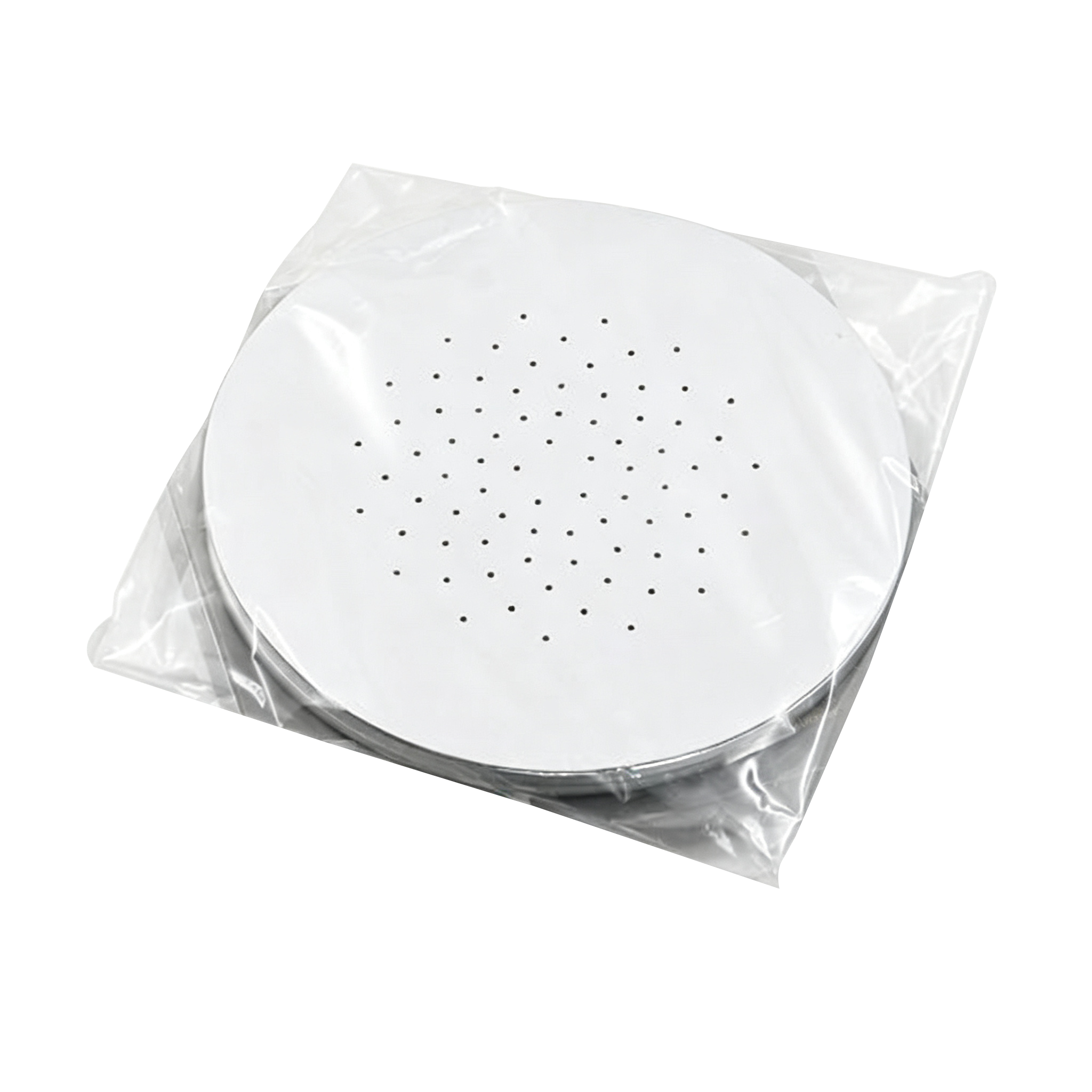
OEM Pre-Cut Shisha Foil Discs remove that repetitive step entirely. Instead of a flat roll, the material arrives as individually sized circles, already punched with a consistent ventilation pattern, ready to stretch and secure without a single cut made on site. The shift sounds small until it is measured against real throughput numbers, which this guide walks through in detail.
Key point: Pre-cut discs are not a novelty format. They are a supply chain decision that shifts cutting and punching labor from the point of use back to the point of manufacture, where it can be automated and standardized.
How OEM Manufacturing Turns Rolls Into Ready Discs
Understanding the production sequence helps buyers evaluate suppliers on more than price. The process moves through four stages, each of which affects the finished disc's thickness consistency, hole pattern accuracy, and edge quality.
Coil Unwind and Inspection
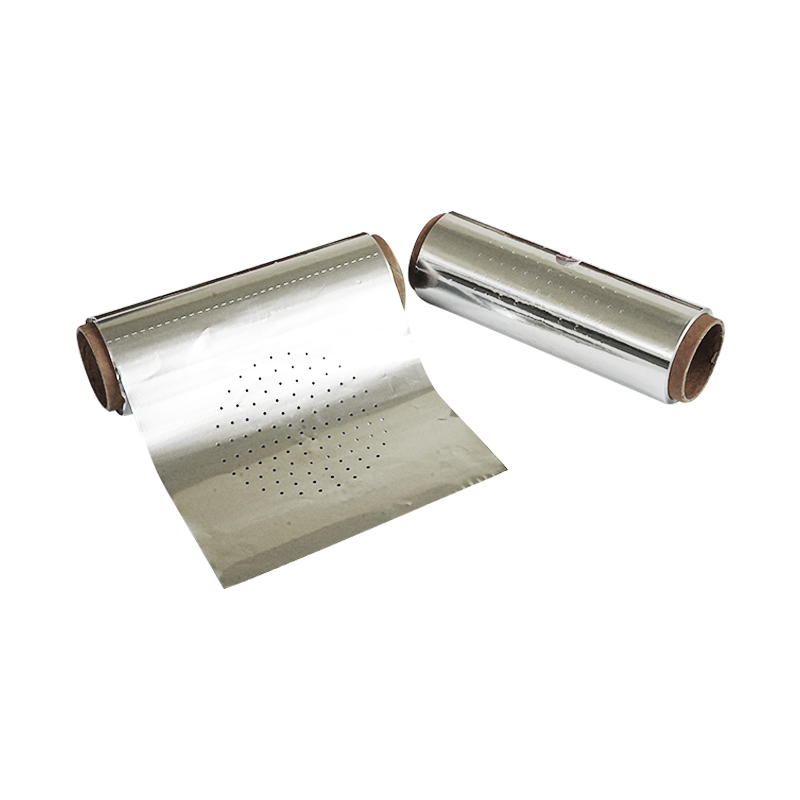
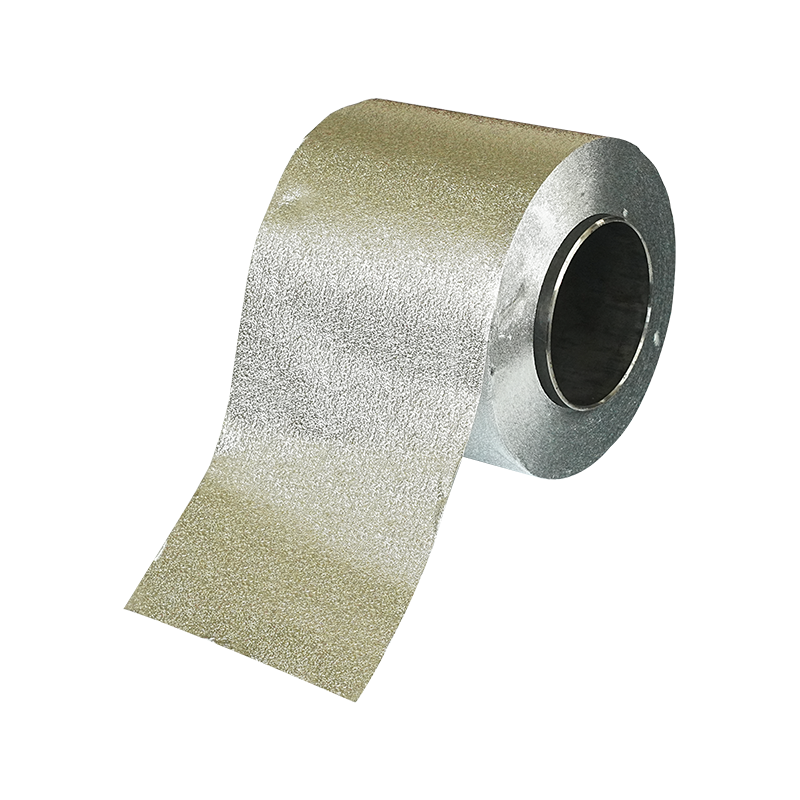
Raw foil arrives as a coil and passes through an unwinder where thickness and surface finish are checked continuously. Any variance beyond the accepted tolerance is flagged before the material reaches the punching stage, which prevents an entire batch of discs from inheriting a defect that only shows up under heat.
Rotary Punching for Ventilation
The ventilation pattern is applied using rotary punching tools rather than hand-held pokers. This is the stage that most affects airflow consistency across a finished bowl. Hole count, spacing, and diameter are set mechanically, so disc one and disc ten thousand from the same batch behave the same way once foil is placed over a bowl.
Disc Cutting to Fixed Diameter
Once the ventilation pattern is set, the material is cut into individual circles at a fixed diameter matched to standard bowl sizes. Because the diameter is set by tooling rather than by hand, every disc in a pack fits the same bowl footprint without trimming.
Stacking, Counting, and Packaging
Finished discs are stacked, counted, and sealed into moisture-resistant packaging. Count accuracy matters here more than it might seem: a lounge ordering in bulk needs predictable per-pack quantities to plan inventory without manually recounting every shipment.
Why Ready-to-Use Foil Sheets Change Nightly Operations
Ready To Use Hookah Foil Sheets affect three operational variables directly: labor time per bowl, waste generated per shift, and consistency of the smoking session itself. Each is worth breaking down separately because they compound differently depending on venue size.
Labor Time Adds Up Fast at Volume
A single lounge preparing 60 to 100 bowls on a busy night can lose a meaningful block of staff time to manual foil prep alone. Pre-cut discs remove the cutting and punching steps, leaving only the stretch-and-secure motion, which is faster and requires less training for new staff.
Waste Reduction From Fixed-Diameter Cutting
Hand-cut foil from a roll almost always produces offcuts, because staff cut generously to avoid running short over a bowl. Fixed-diameter discs are sized to the bowl footprint from the start, so the offcut problem is designed out rather than managed after the fact.
Session Consistency for the Customer
Airflow through the foil is one of the biggest variables in how a bowl actually smokes. When ventilation holes are hand-poked, spacing and hole size vary bowl to bowl, which changes draw resistance and heat distribution. A machine-punched pattern keeps that variable constant, which matters more to repeat customers than most venues realize.
Hand-Cut Foil Versus Pre-Cut Discs: A Direct Comparison
The table below lays out the practical differences a purchasing manager or lounge operator would weigh when deciding between continuing with roll stock or switching to pre-cut format.
| Factor | Hand-Cut Roll Foil | Pre-Cut Foil Discs |
|---|---|---|
| Prep time per bowl | Higher, depends on staff skill | Lower, consistent across staff |
| Ventilation hole consistency | Variable, hand-poked | Fixed, machine-punched |
| Material waste per bowl | Higher, trimmed offcuts | Lower, sized to bowl diameter |
| Training required for new staff | Moderate to high | Minimal |
| Best suited for | Very low volume or custom bowl shapes | Mid to high volume, standard bowl sizes |
Neither format is universally superior. Venues working with unusual bowl geometries or extremely low nightly volume may still find roll stock more flexible. Once volume climbs past a few dozen bowls a night, the fixed prep time of pre-cut discs starts to outweigh that flexibility.
Technical Specifications to Confirm Before Sourcing
Not all pre-cut foil discs are built to the same tolerance. Buyers evaluating a supplier should request specific figures rather than relying on general marketing claims. The categories below cover what actually affects performance at the bowl.
| Specification | What to Confirm |
|---|---|
| Foil gauge range | Consistent thickness across the full batch, not just sample pieces |
| Disc diameter options | Match to common bowl sizes used at the venue or by end customers |
| Ventilation hole count and layout | Fixed pattern density suited to the intended charcoal type |
| Packaging format | Sealed sleeves or resealable packs sized for storage space |
| Minimum order quantity | Tiered based on custom disc diameter or hole pattern |
Custom Diameter and Hole Pattern Requests
For distributors sourcing under their own labeling, requesting a Round Pre Punched Shisha Wrapper built to a specific diameter and hole density is usually possible, but it affects minimum order quantities. Smaller custom runs typically carry higher per-unit cost since tooling has to be adjusted for a non-standard size.
Storage and Shelf Stability
Packaged discs should be stored away from direct moisture and extreme temperature swings. Foil itself is stable, but the packaging material and any protective interleaving can degrade faster than the metal if stored in humid back-of-house areas.
Quality Control Points Worth Asking About
Since pre-cut discs are produced in bulk before ever reaching a bowl, defects introduced during manufacturing carry through an entire batch. Asking a supplier how they manage the following points gives a clearer picture of reliability than a general quality claim.
- Thickness sampling frequency during the coil unwind stage
- Tooling maintenance schedule for the rotary punching equipment
- Reject rate tracking for misaligned hole patterns
- Batch traceability from coil lot to finished pack
- Packaging seal integrity testing before shipment
Practical tip: Request a sample pack before committing to a bulk order and check hole spacing consistency across at least ten discs pulled from different points in the pack, not just the top layer.
Best Practices for Using Pre-Punched Foil in Daily Service
Switching to pre-cut format changes the prep workflow slightly. The steps below reflect how most mid-volume venues adapt their bowl-packing routine.
- Stage discs near the packing station in their original sleeve to limit handling before use
- Center the disc over the bowl rim before pressing down, rather than stretching from one edge
- Secure the edge with a light press around the rim instead of pulling the foil taut, since pre-cut diameter already accounts for coverage
- Confirm hole pattern is centered over the packed material before placing charcoal
- Rotate stock so older packs are used first, especially in humid storage environments
Matching Disc Diameter to Bowl Type
Standard bowls, phunnel bowls, and vortex-style bowls each have slightly different rim diameters. Keeping two or three disc sizes on hand covers most standard equipment without needing custom cuts on busy nights.
Frequently Asked Questions
Q1: How is a pre-cut disc different from foil cut off a roll on site?
A pre-cut disc is punched and sized during manufacturing using fixed tooling, which keeps ventilation hole spacing and diameter consistent across every unit. Foil cut on site depends on staff technique and varies bowl to bowl.
Q2: Can pre-punched discs be ordered in custom diameters?
Yes, most manufacturers offer custom diameter and hole pattern options, though smaller custom runs usually come with a higher minimum order quantity than standard sizes.
Q3: Does using pre-cut foil actually change how a bowl smokes?
Consistent hole spacing affects airflow and heat distribution, which influences draw and burn rate. Because the pattern is fixed by machine rather than hand-poked, sessions tend to be more predictable from bowl to bowl.
Q4: How should pre-cut foil packs be stored?
Keep sealed packs in a dry area away from direct heat or humidity. The packaging and any protective interleaving are usually more sensitive to moisture than the foil itself.
Q5: Is switching to pre-cut discs worth it for lower-volume venues?
It depends on nightly bowl count. Very low volume operations may not see enough time savings to offset the switch, while venues packing dozens of bowls a night typically recover the labor cost quickly.
Q6: What should be checked before placing a bulk order?
Request a sample pack, confirm gauge and hole pattern consistency across multiple discs, and verify packaging seal quality before committing to a full production run.
READY TO CUSTOMIZE YOUR FOIL? CONTACT US TODAY!
+86-13484112116
+86-13967339826
No. 22, Zhijiang Road, Zhouwangmiao Town, Haining City, Jiaxing City, Zhejiang Province, China
Contact Us
