 English
 عربى
عربى

What Makes Pre-Perforated Shisha Foil a Better Heat Management Choice Than Traditional Sheets
Content
- 1 The Function of Foil in a Hookah Bowl Setup
- 2 Why Pre-Perforated Foil Outperforms Hand-Poked Sheets
- 3 Sheets, Rolls, and Pre-Cut Discs: Choosing a Format
- 4 Heat Management and Airflow: How the Holes Actually Work
- 5 Choosing Foil Thickness and Gauge
- 6 Setup and Handling Best Practices
- 7 Frequently Asked Questions
- 7.0.1 Q1: How many holes should a shisha foil sheet have?
- 7.0.2 Q2: Can foil be reused for a second session?
- 7.0.3 Q3: Does thicker foil always mean a better session?
- 7.0.4 Q4: Why does one side of the bowl burn faster than the other?
- 7.0.5 Q5: Is pre-perforated foil worth the extra cost over plain sheets?
- 7.0.6 Q6: How should unused foil be stored?
The Function of Foil in a Hookah Bowl Setup
In a hookah session, the foil layer sits between the burning charcoal and the packed tobacco or herbal mix inside the bowl. Its job looks simple on the surface, but it actually performs a fairly demanding balancing act: it has to conduct enough heat downward to keep the bowl smoking evenly, while also holding back embers, ash, and direct flame contact. A poorly matched foil either chokes off airflow, leading to a bowl that goes out repeatedly, or lets too much heat through too fast, scorching the mix and producing a harsh, burnt taste within minutes.
Foil selection is often treated as an afterthought compared to bowl design or charcoal type, yet it has a measurable effect on session length, flavor consistency, and how much charcoal gets used per sitting. Lounges and retailers that switch from cutting their own sheets to using a purpose-made hookah aluminum foil sheet typically report fewer bowl restarts and more predictable smoke output across a full evening of service.
Why Pre-Perforated Foil Outperforms Hand-Poked Sheets
Most people who cut their own foil and poke holes with a toothpick or fork end up with an irregular hole pattern: some holes too large, some too close together, and clusters concentrated wherever the hand naturally pressed hardest. This unevenness creates hot spots directly under the densest hole clusters and cold, under-heated zones everywhere else. The result is a bowl that burns unevenly from one side to the other.
A pre perforated aluminum shisha foil sheet solves this at the manufacturing stage. Holes are punched in a fixed, repeatable pattern using mechanical tooling, so every sheet in a batch carries the same hole diameter, spacing, and density. This consistency matters more than it might seem for three practical reasons:
- Even airflow distribution reduces the need to constantly move charcoal around during a session.
- Predictable heat transfer means the same charcoal count produces a similar smoke density from one session to the next.
- Staff training time drops because new lounge employees do not need to learn manual poking technique.
Consistency in perforation pattern has a bigger impact on session quality than the thickness of the foil itself, since airflow control governs how efficiently heat reaches the mix.
Common Hand-Poking Mistakes
| Mistake | Effect on Bowl |
|---|---|
| Holes too large or torn | Ash and small ember fragments fall into the mix |
| Holes clustered in one zone | Uneven burn, one side charred while the other stays cool |
| Too few holes overall | Bowl suffocates, charcoal goes out early |
| Foil stretched too tight | Cracks form under heat, shortening usable session time |
Sheets, Rolls, and Pre-Cut Discs: Choosing a Format
Foil for hookah use is generally sold in three formats, and the right choice depends more on volume and workflow than on personal preference alone.
Individual Sheets
Pre-cut sheets are convenient for home users or small setups where only one or two bowls are prepared per session. They eliminate the need for scissors or cutting tools, and each sheet is already sized to fit standard bowl diameters.
Rolled Foil
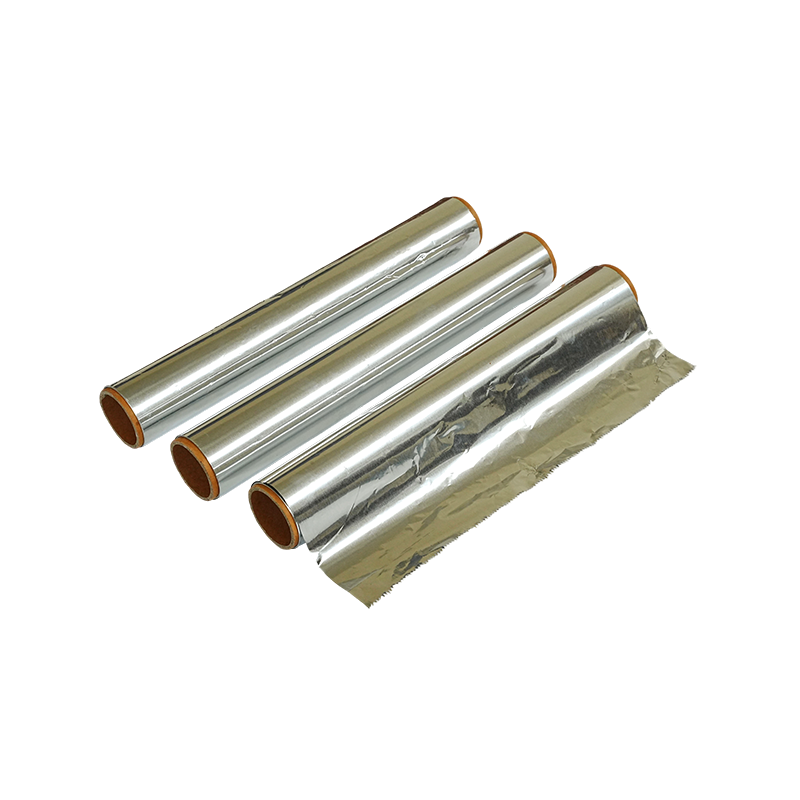
A shisha aluminium foil roll is generally the more economical option for lounges, cafes, or retailers preparing dozens of bowls per day. Buying in roll form reduces per-sheet packaging cost and allows staff to cut custom sizes for non-standard bowl shapes. The tradeoff is that rolls require either pre-perforation before cutting or a manual poking step after cutting, unless the roll itself is manufactured with a repeating perforated pattern along its length.
Pre-Cut Perforated Discs
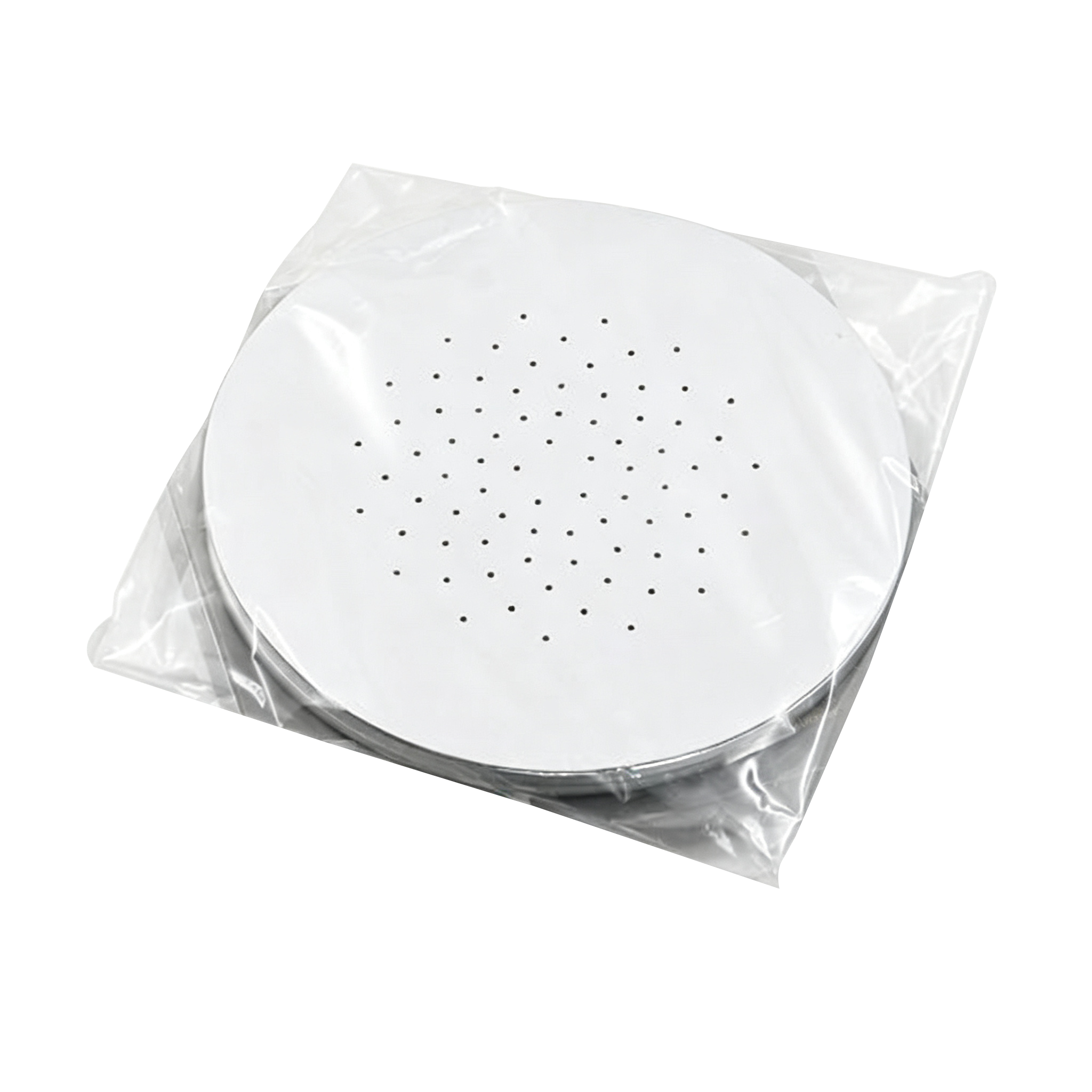
These combine the convenience of pre-cut sheets with the consistency of factory perforation. They cost more per unit but remove both preparation steps entirely, which matters for high-turnover service environments where staff time is limited.
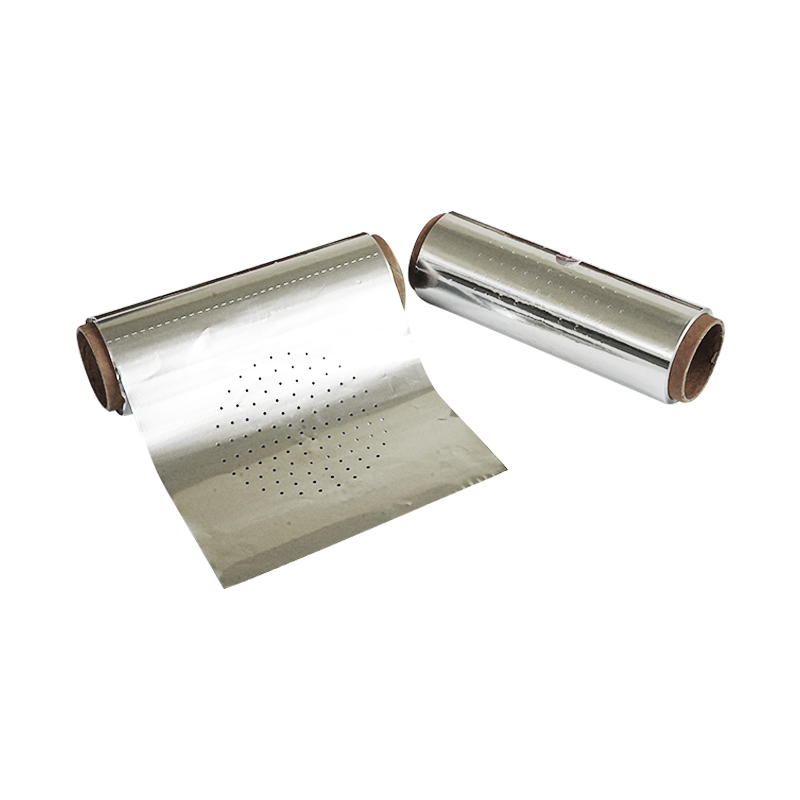
| Format | Best Fit | Prep Time | Cost per Bowl |
|---|---|---|---|
| Individual Sheets | Home use, low volume | Low | Moderate |
| Roll, unperforated | High volume, custom sizing | High | Low |
| Pre-Cut Perforated Discs | Lounges, cafes, fast service | Minimal | Higher |
Heat Management and Airflow: How the Holes Actually Work
The perforation pattern on a foil sheet is not just decoration; it functions as a controlled ventilation system. Each hole acts as a small channel that lets radiant heat from the charcoal pass through to the tobacco below while limiting the amount of direct oxygen reaching the mix, which would otherwise cause combustion instead of gentle heating.
Two variables control this balance: hole diameter and hole density. Smaller, more numerous holes spread heat more evenly across the surface but slow the overall rate of transfer, which extends session length. Larger, sparser holes transfer heat faster but concentrate it in fewer spots, which shortens session length and increases the chance of localized burning.
Typical Perforation Patterns and Their Effect
- Fine dense pattern: gentler heat, longer sessions, better suited to lighter or fruit-based mixes that scorch easily.
- Medium spaced pattern: balanced heat suitable for most standard bowl setups.
- Wide sparse pattern: faster, more intense heat, often paired with denser or heat-resistant mixes.
Choosing Foil Thickness and Gauge
Thickness affects both durability and heat transfer speed. Thinner foil heats up and cools down faster, which can shorten the useful window before the bowl needs recharging with fresh charcoal. Thicker foil holds heat longer but takes more time to reach an even temperature across the surface, sometimes leading to a slow start at the beginning of a session.
| Gauge Range | Heat Response | Typical Use Case |
|---|---|---|
| 0.008mm to 0.010mm | Fast heating, faster cooling | Short sessions, quick turnover settings |
| 0.010mm to 0.012mm | Balanced response | General purpose, most common choice |
| 0.012mm to 0.016mm | Slower heating, longer heat retention | Extended sessions, higher charcoal loads |
Beyond thickness, tear resistance matters during handling. Foil that is too thin tends to stretch and puncture when pulled tight over a bowl rim, especially in colder environments where the material becomes slightly more brittle. Mid-range gauges strike a practical balance between ease of handling and consistent heat behavior for most commercial and home settings.
Setup and Handling Best Practices
Even the best foil performs poorly if it is stretched or positioned incorrectly. A few handling habits make a measurable difference in session consistency.
Center the sheet fully over the bowl rim
Uneven coverage creates gaps where heat escapes unpredictably, throwing off the airflow balance the perforation pattern was designed for.
Secure without overstretching
Pulling foil too tight thins the material at stress points, increasing the chance of tearing once charcoal is placed on top.
Trim excess overhang
Loose edges hanging past the bowl rim can catch stray airflow and cool unevenly, affecting the heat pattern near the perimeter.
Space charcoal according to hole pattern
Aligning charcoal pieces with denser hole clusters improves heat consistency rather than placing them arbitrarily.
Frequently Asked Questions
Q1: How many holes should a shisha foil sheet have?
There is no single fixed number, since it depends on bowl size and desired heat intensity, but most balanced patterns fall in a moderate density range that avoids both suffocating the bowl and letting in too much direct heat.
Q2: Can foil be reused for a second session?
Reuse is generally discouraged, since heat cycling weakens the metal and existing holes tend to enlarge, which shifts the airflow balance away from its original design.
Q3: Does thicker foil always mean a better session?
Not necessarily. Thicker foil retains heat longer but heats up more slowly at the start, so the ideal thickness depends on session length and charcoal type rather than thickness alone.
Q4: Why does one side of the bowl burn faster than the other?
This usually points to uneven perforation or uneven charcoal placement rather than a problem with the tobacco mix itself.
Q5: Is pre-perforated foil worth the extra cost over plain sheets?
For high-volume or commercial use, the time saved on manual poking and the reduction in inconsistent sessions typically offsets the higher per-unit cost.
Q6: How should unused foil be stored?
Keeping rolls or sheets in a dry, sealed container away from direct heat prevents the material from becoming brittle or developing micro-tears before use.
READY TO CUSTOMIZE YOUR FOIL? CONTACT US TODAY!
+86-13484112116
+86-13967339826
No. 22, Zhijiang Road, Zhouwangmiao Town, Haining City, Jiaxing City, Zhejiang Province, China
Contact Us
